French Crop Haircut: Clean, Sharp, And Easy To Style For Everyday Men
The French crop is one of the easiest haircuts for men who want a clean look without spending a lot of time styling. It keeps the hair short on the sides with a neat top and a small fringe in front.
In this guide, you’ll find French Crop Haircut Ideas Men can actually wear in real life—whether you like fades, have curly hair, a round face, or thick hair that feels hard to control.
French Crop Haircut: Clean, Sharp, And Easy To Style For Everyday Men
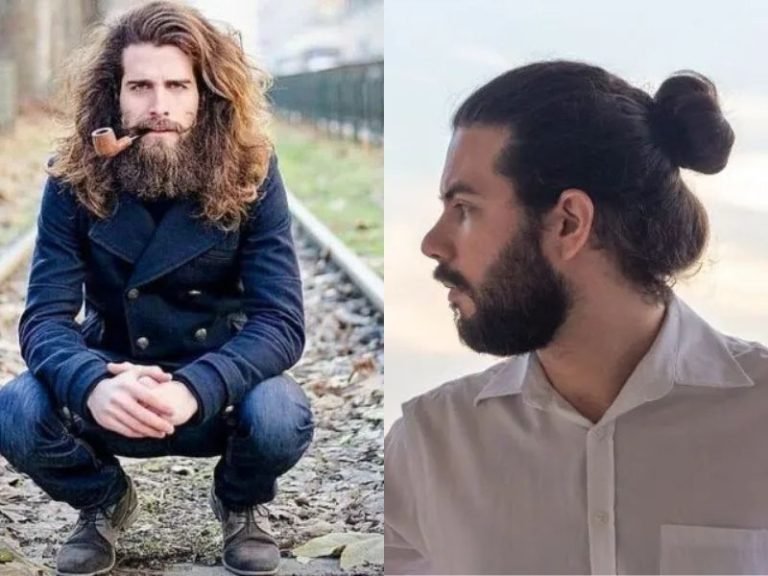
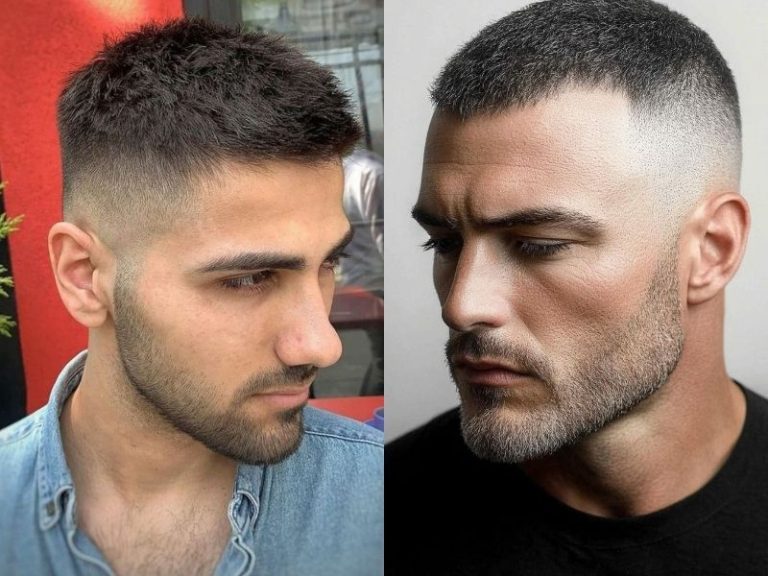
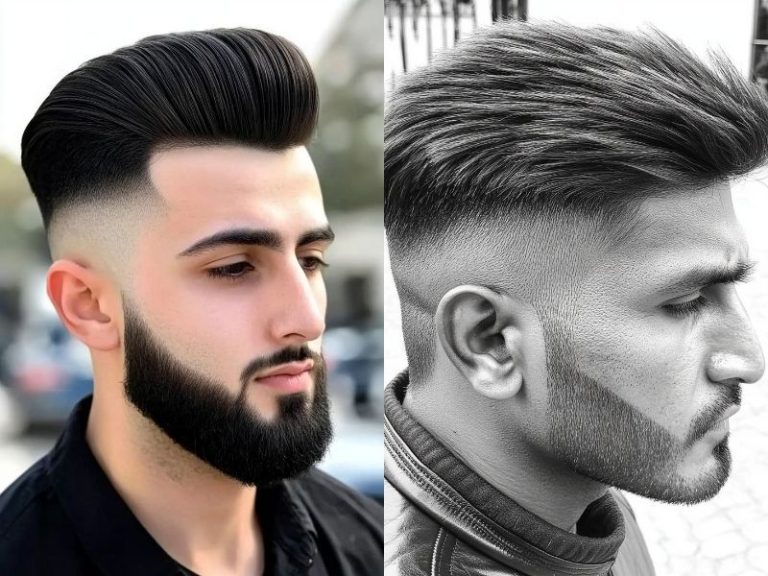
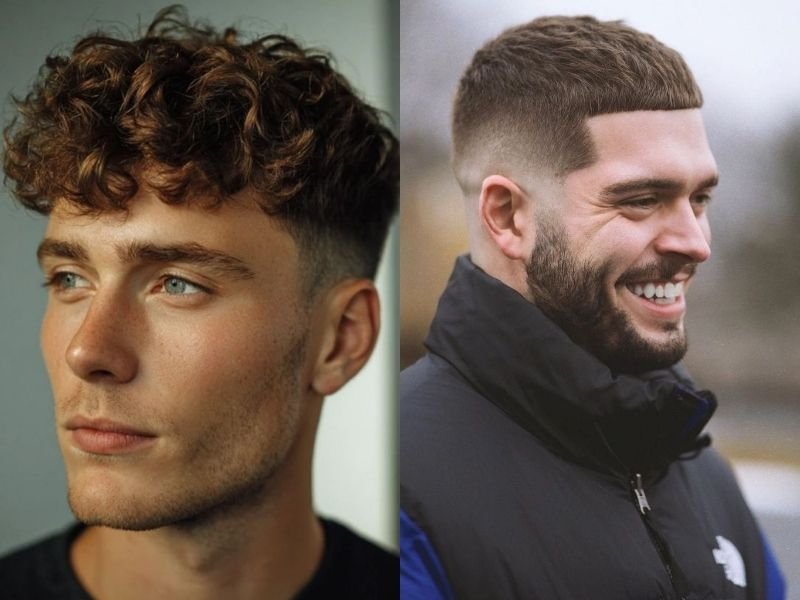
Photo Gallery of French Crop Haircut Ideas Men
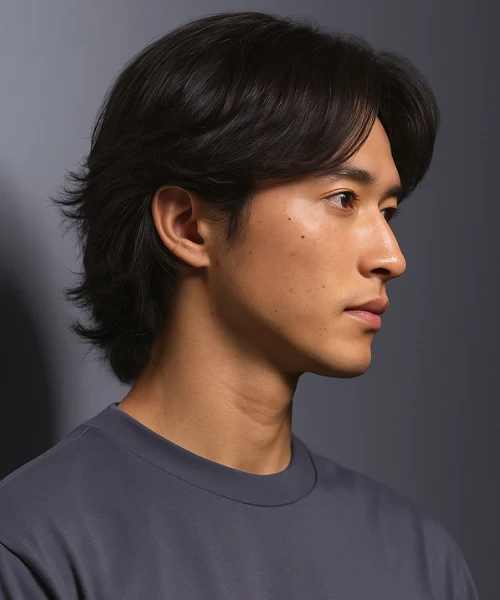
If you are tired of spending twenty minutes in front of the mirror every morning trying to make your hair look right, the French crop haircut might be the answer you have been looking for. This style has become one of the most requested cuts at barbershops around the world, and once you understand why, it becomes pretty obvious. It looks sharp without trying too hard, it works with almost every hair type, and it takes barely any effort to style once you know the basics.
In this post we are going to walk through everything you need to know about the French crop. We will talk about what it actually is, where it came from, who it suits, how to ask your barber for it, how to style it at home, what products actually work, how to maintain it between haircuts, and the common mistakes men make with this cut. By the end you should have a complete picture and feel confident walking into a barbershop asking for exactly what you want.
What Is A French Crop Haircut
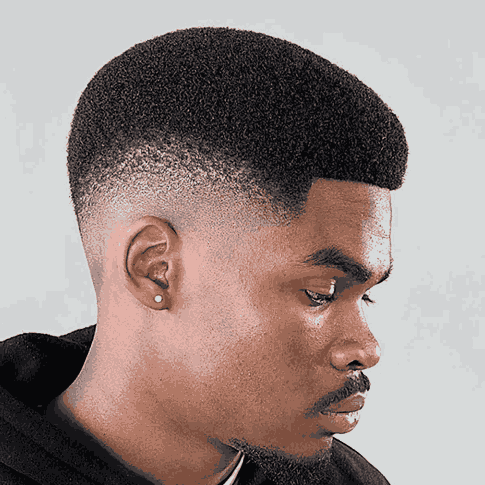
The French crop is a short to medium length haircut where the top hair is left with enough length to style, usually somewhere between one and three inches, while the sides and back are cut much shorter, often tapered or faded. The defining feature is a straight, blunt fringe that sits just above the eyebrows, giving the whole look a clean and structured finish.
Unlike a lot of trendy cuts that need daily blow drying or complicated layering, the French crop relies on simplicity. The fringe is cut in a fairly straight line, the top has texture rather than heavy layers, and the sides stay tight and neat. This combination gives you a haircut that looks put together even on days when you barely touch it.
Some people confuse the French crop with a Caesar cut, and honestly they are close cousins. Both feature a short fringe and cropped top. The main difference is that the French crop usually has slightly more length and texture on top, plus more contrast between the top and the sides because of the fade or taper. A Caesar cut tends to be uniform in length all over.
Where The French Crop Came From
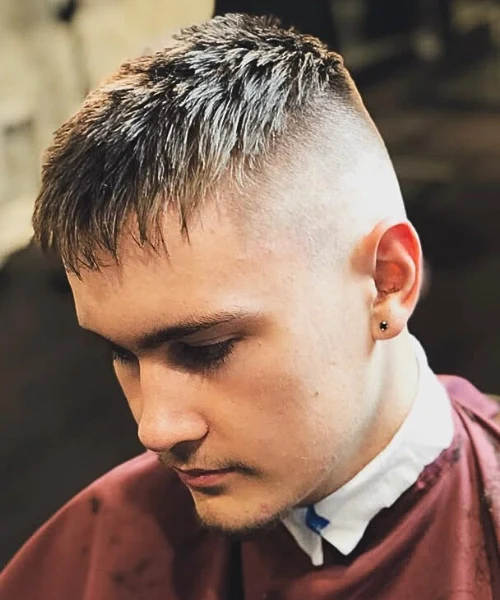
The name suggests Paris runways and old world barbershop charm, and there is some truth to that. The cut draws inspiration from classic European grooming styles that favored short, practical hair with a defined fringe. It gained real popularity in the 1990s and came back strong in recent years as men started moving away from long, heavily styled hair and toward cleaner, low maintenance looks.
Footballers and musicians in Europe helped push the style into the mainstream again. It became a favorite among men who wanted something that looked deliberate and tidy without needing forty five minutes of styling time each morning. That practical appeal is really the reason it has stuck around.
Why Men Keep Choosing This Cut
There are a handful of reasons this haircut keeps showing up on barbershop request lists and social media pages.
It suits almost every hair type. From straight to wavy to curly, the French crop can be adapted. Curly haired guys often get a version with a bit more volume on top, while straight haired men usually get a cleaner, flatter fringe.
It is low maintenance. Once the cut is done properly, styling takes a couple of minutes. There is no need for a full arsenal of products or a hair dryer session every single day.
It looks good at every stage of growth. Even as it grows out, the French crop tends to still look intentional rather than messy, which means you are not stuck rushing to the barber the moment it gets a little longer.
It works for almost any face shape. Because the fringe and taper can be adjusted, barbers can tweak the proportions to flatter round faces, square jaws, oval faces, and everything in between.
It pairs well with facial hair. A full beard, light stubble, or a clean shaven look all sit nicely with this cut, and the French crop frames the face nicely without competing with facial hair styles the way some longer cuts can.
Who This Haircut Works Best For
Almost any man can pull off a French crop, but a few groups get particularly great results from it.
Men with thick or medium density hair get the most texture and movement on top, which gives the fringe a nice natural fall instead of looking stiff. If your hair is on the finer or thinner side, your barber can still make this work, but they will likely keep the top a little shorter so it does not look flat or limp.
Guys with an active lifestyle who do not want to fuss with their hair after workouts or long days also gravitate toward this cut. Since the sides are short and the top does not require heavy product, a quick towel dry and a run through with your fingers is often all it takes to get back to looking presentable.
Younger professionals and students like the French crop because it strikes a balance between polished and relaxed. It does not look overly formal like a slicked back style, but it is neat enough for office settings, interviews, and everyday life.
How To Ask Your Barber For A French Crop
Communication with your barber makes all the difference between a great haircut and one that just misses the mark. Here is what to mention when you sit in the chair.
Start by telling them you want a French crop with a straight, blunt fringe. Specify how short you want the sides, since this cut can range from a subtle taper to a hard skin fade depending on personal preference. If you are unsure, a mid taper is a safe and classic choice that works for most face shapes and hair types.
Mention the length you want on top. A common range is between one and two and a half inches, but bring a reference photo if you have one. Barbers appreciate visual references because hair length descriptions can mean different things to different people.
Ask about the fringe placement too. Some men prefer the fringe sitting right at the eyebrows for a bold, structured look, while others like it slightly higher for a softer finish. Letting your barber know your preference here avoids any last minute surprises.
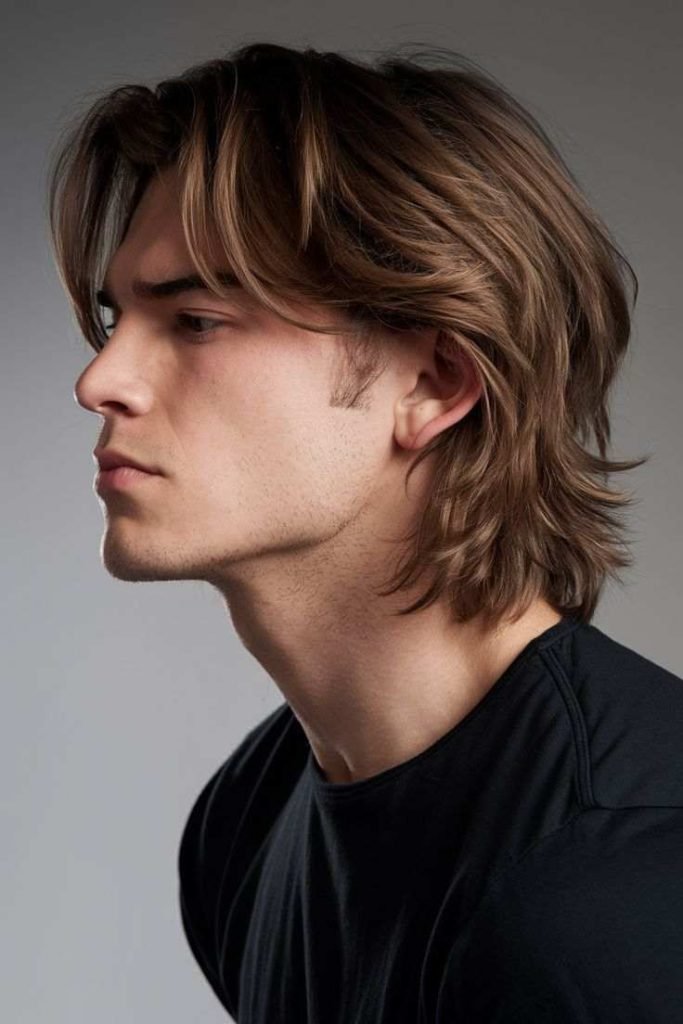
Lastly, talk about your hair type and how much time you realistically want to spend styling it each day. A good barber will adjust the cut slightly based on this information, giving you a version of the French crop that fits your actual routine rather than an idealized one.
Step By Step Guide To Styling A French Crop At Home
Once you leave the barbershop, styling this cut yourself is refreshingly simple. Here is a straightforward routine you can follow.
Start with clean, towel dried hair. Wash your hair as usual and towel dry it until it is damp rather than soaking wet. Styling products work best on damp hair since they distribute more evenly and do not weigh the hair down.
Apply a small amount of product. A pea sized amount of matte clay, styling cream, or light pomade is usually enough. Rub it between your palms until it warms up and spreads evenly, then work it through your hair starting from the roots.
Direct the top forward. Use your fingers or a comb to push the top section slightly forward and down, shaping the fringe into a straight line. Avoid pulling it too far to one side unless that is the specific look you are going for.
Shape the sides. Since the sides are already short, a light touch is usually all that is needed. Run your fingers along the sides to keep them neat and free of flyaways.
Let it air dry or use a blow dryer on low heat. If you have a few extra minutes, a blow dryer on a low or medium setting can help set the style and add a bit of texture, especially for men with straighter hair who want more volume.
Finish with a light hold spray if needed. This step is optional, but if you want the style to hold through a long day, a light hairspray can lock everything in place without making it feel stiff or crunchy.
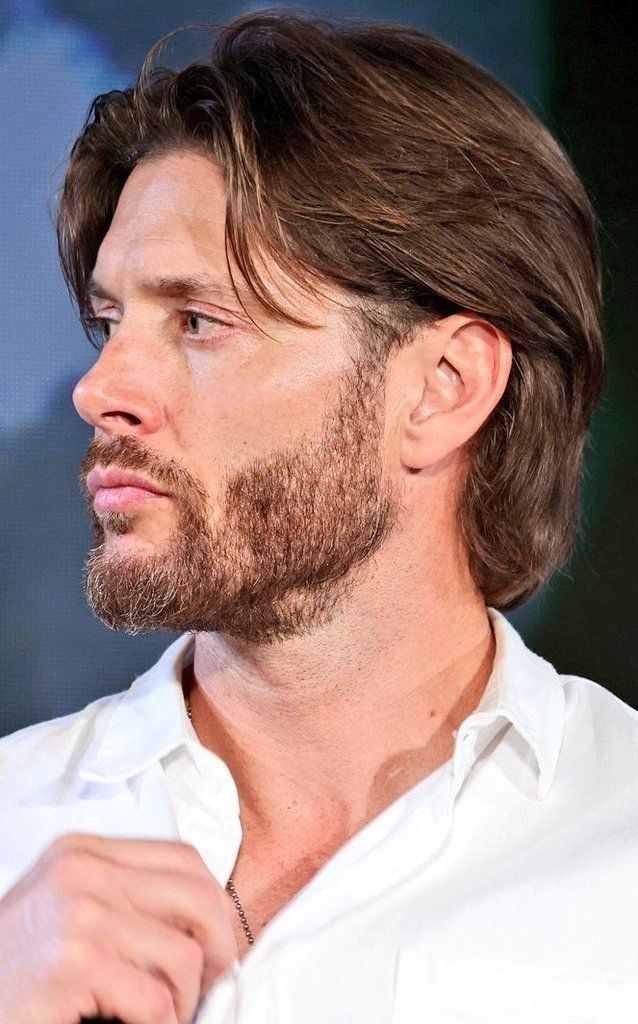
The entire process takes about five minutes once you get used to it, which is part of why so many men appreciate this cut for their daily routine.
Best Products To Use For A French Crop
Product choice can make or break how your French crop looks day to day. Here are the categories worth knowing about.
Matte clay is a favorite for this style because it gives a natural, non shiny finish with strong hold. It is particularly good for men who want their hair to look textured rather than slicked or glossy.
Pomade works well if you prefer a bit of shine and a slightly more polished look. Water based pomades are easier to wash out and tend to work better for shorter styles like this one compared to heavier oil based versions.
Styling cream is a gentler option for men with finer hair who do not want too much hold or weight. It gives a soft, natural movement without stiffness.
Sea salt spray can add texture and a slightly tousled finish, which works nicely if you want your French crop to look a little more relaxed rather than crisp and structured.
Whichever product you choose, a little goes a long way. Using too much can weigh the hair down and make the fringe stick together in clumps rather than falling naturally.
How To Maintain The Cut Between Barber Visits
Because the French crop relies on a clean fringe line and tight sides, regrowth can start to soften those sharp lines after a few weeks. Most men find they need a trim every three to four weeks to keep the cut looking fresh, though this can vary depending on how fast your hair grows and how sharp you like the lines to stay.
Between visits, keep an eye on the fringe length in particular. Since it sits close to the eyebrows, it can start feeling long and getting in your eyes faster than you might expect. Some men trim their own fringe lightly at home using small scissors if they want to stretch the time between full barber visits, though this takes a steady hand and a bit of practice.
Keeping your hair clean also matters more than people realize. Product buildup can make the top section look greasy and flat over time, so washing every couple of days with a gentle shampoo helps keep the texture looking fresh.
Common Mistakes To Avoid
A few small missteps can take away from how good this haircut looks, so it is worth knowing what to watch out for.
Using too much product. As mentioned earlier, overloading your hair with clay or pomade makes the fringe look heavy and stiff instead of natural.
Letting the sides grow out too long. The contrast between the short sides and the longer top is a big part of what makes the French crop look sharp. If the sides grow out too much, that contrast disappears and the whole style starts to look shapeless.
Cutting the fringe too short. A fringe that is cut too high loses the defined, structured look the style is known for. It is always better to leave a little extra length that can be trimmed down rather than going too short right away.
Skipping regular trims. This cut depends on clean lines, so stretching too long between barber visits usually leads to a messy transition period that is harder to style.
Ignoring your hair type. A version of this cut that works great on thick, wavy hair might not translate well to fine, straight hair without some adjustments. Always talk to your barber about your specific hair before assuming a photo you found online will look identical on you.
French Crop Variations To Consider
One of the best parts about this haircut is how many variations exist within it, so you can personalize it to your taste.
French crop with a skin fade gives maximum contrast between the top and sides, creating a bold, modern look.
French crop with a low taper offers a softer transition and tends to suit more conservative or professional settings.
Textured French crop adds more movement and volume on top using layered cutting techniques, which works particularly well for men with naturally curly or wavy hair.
French crop with disconnection creates a sharper visual break between the top and sides, giving an edgier appearance.
Curly French crop keeps more natural curl pattern intact on top while still maintaining the short sides and defined fringe, giving curly haired men a way to enjoy this style without straightening their hair.
Talking through these options with your barber can help you land on the exact version that fits your personality and lifestyle.
Face Shapes And The French Crop
Because this cut can be adjusted so easily, it flatters a wide range of face shapes when styled correctly.
Men with round faces often benefit from slightly more height on top and a sharper taper on the sides, which helps elongate the face visually.
Square faced men usually look great with the classic proportions of the French crop since the straight fringe complements strong jaw lines nicely.
Oval faces are considered the easiest to work with for almost any haircut, and the French crop is no exception. Nearly any variation looks balanced on this face shape.
Men with longer faces might want to keep the fringe a touch lower and avoid too much height on top, since added length upward can make the face look even longer.
A good barber will naturally take your face shape into account, but knowing this ahead of time helps you have a more informed conversation in the chair.
How Much Does A French Crop Cost
Pricing for this cut varies quite a bit depending on where you live and the type of barbershop you visit. A neighborhood barbershop might charge somewhere between fifteen and thirty five dollars for a standard cut, while an upscale salon or a barbershop known for detailed fade work could charge fifty dollars or more. Cities with a higher cost of living naturally push these numbers up, and the price can also depend on the type of work involved, since a simple taper costs less than a detailed skin fade with sharp lining around the fringe.
It is worth remembering that price does not always match quality. Plenty of small, unassuming barbershops turn out excellent French crops because the barber has years of practice with exactly this kind of precision cutting. If you are new to a shop, it can help to look at photos of their previous work, particularly cuts with a similar fringe and taper combination, before booking an appointment.
Tipping is also part of the overall cost in many places. A tip of fifteen to twenty percent is common practice if you are happy with the result, and building a good relationship with your barber over repeat visits often leads to a more consistent and personalized haircut every time you come in.
Tools A Barber Uses To Create This Look
Understanding the tools involved can help you appreciate why this cut takes real skill to execute well, and it can also help you spot a barber who knows what they are doing.
Clippers with guards are used to create the short, tapered or faded sides. The barber will typically start with a longer guard and gradually blend down to a shorter one near the hairline, creating that smooth transition in length.
Scissors and a comb handle the top section. This is where the barber shapes the length and texture that will eventually fall into the fringe. Scissor work here needs a steady hand since even small mistakes are visible once the hair is styled.
Straight razor or trimmer is often used to define the fringe line itself. Getting that blunt, straight edge just above the eyebrows requires precision, and many barbers prefer a razor for the crispest possible line.
Texturizing shears may come into play for men who want a bit more movement on top rather than a completely uniform length. These shears remove small amounts of hair at varying lengths to create natural looking texture.
Watching a skilled barber work through these steps is honestly part of the appeal of getting this cut done professionally rather than attempting it yourself at home.
Growing Out A French Crop Without It Looking Messy
At some point you might decide you want to grow your hair out a little longer, or maybe you are just stretching the time between appointments. The good news is that this cut tends to grow out more gracefully than a lot of other short hairstyles.
As the sides grow, ask your barber to blend rather than shave them down again, which keeps things looking intentional rather than patchy. On top, the fringe will start to soften and fall slightly longer over the eyes, which many men actually like as a temporary style shift. If you want to keep things tidy during this transition, a light trim just on the fringe every couple of weeks, without touching the sides, can extend the life of the cut significantly.
Some men use this growing out phase as a stepping stone toward a different style altogether, like a longer textured crop or even a slicked back look once there is enough length to work with. The French crop foundation makes that transition much smoother than starting from scratch.
Frequently Asked Questions
How long does hair need to be before getting a French crop? You generally need at least two to three inches on top to work with, so if your hair is currently very short, you may need to grow it out a bit first before your barber can create the signature fringe.
Does the French crop work with thinning hair? Yes, though your barber will likely adjust the length and texture to avoid drawing attention to thinning areas. Shorter, textured versions tend to work best in this case.
How often should I wash my hair with this cut? Every two to three days is typical for most hair types, though this can vary based on your scalp and how much product you use.
Can I still style it without any products? You can achieve a simple, natural look without product, especially right after a haircut, but most men find a small amount of clay or cream helps the style hold better throughout the day.
Is the French crop a good choice for a first time barbershop visit? It is actually a great option since it is a well known, classic request that most barbers are very familiar with, reducing the chance of miscommunication.
Final Thoughts
The French crop haircut earns its popularity honestly. It looks sharp, it fits into almost any lifestyle, and it does not demand a complicated routine to keep looking good. Once you find the right length, taper, and fringe placement that suits your face and hair type, you end up with a cut that works for you rather than against you every morning.
If you have been thinking about switching up your look, this might be the perfect next step. Bring a reference photo, talk openly with your barber about your hair type and daily routine, and give yourself a few weeks to settle into the style before deciding how you feel about it. Most men who try the French crop end up sticking with it for years, simply because it just works.