- Home/
- Buy Furosemide Online in the United States – Fast Delivery Available
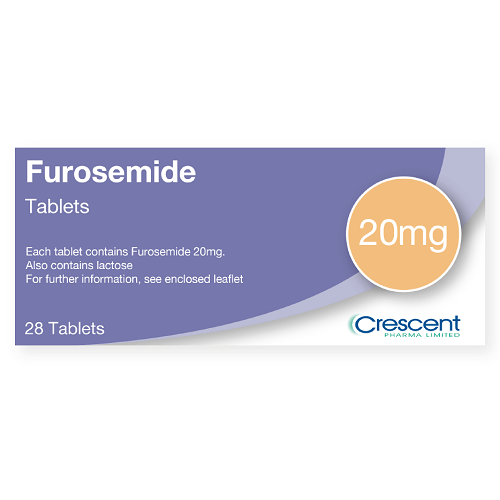
| Name of Medication | Furosemide |
|---|---|
| Main Molecule | Furosemide |
| Clinical Purpose | Reduction of edema (fluid retention) from heart, liver, or kidney issues |
| How Fast It Works | Within 30-60 minutes when taken by mouth |
| Length of Benefit | Approximately 6-8 hours per dose |
| Dosage Formats | 20 mg, 40 mg, 80 mg tablets; oral solution; injectable |
| Prescription Status in US | Prescription required (regulated by FDA) |
| Typical Use Frequency | Once or twice daily, as directed by a physician |
| Compatibility With Food | Can be taken with or without meals |
Furosemide for Edema: Guidance for United States
Furosemide is a prescription medication widely used in the United States to treat swelling due to fluid buildup—commonly called edema—that often results from conditions like heart failure, liver disease, or kidney dysfunction. As a potent diuretic, it is approved and regulated by the FDA, making it accessible through licensed US pharmacies with a doctor’s order.
Edema: A Common and Treatable Condition
Edema, or abnormal fluid accumulation in the body, can be both distressing and disruptive to daily life. According to the Centers for Disease Control and Prevention (CDC), millions of adults in the United States experience edema, particularly those living with chronic heart, liver, or kidney diseases (CDC, 2022). The American Heart Association notes that edema is a major symptom in over 6 million Americans diagnosed with heart failure (AHA, 2023). These figures show you are not alone—edema is common, but advances in treatment, including medications like Furosemide, provide effective help for most people.
How Furosemide Relieves Swelling: The Physiological and Practical Impact
Furosemide works by prompting your kidneys to remove excess salt and water from the bloodstream, a process known medically as diuresis. To explain simply: the active ingredient blocks the reabsorption of sodium and chloride in a part of your kidneys called the loop of Henle. This action pulls fluid out of your tissues and into your urine, reducing swelling and lowering blood pressure if it is elevated due to fluid overload.
- Physiological effect: Within about an hour of taking Furosemide by mouth, your kidneys increase urine production—often noticeably so.
- Practical outcome: As excess fluid leaves your body, swelling in the legs, feet, hands, or abdomen typically subsides within hours to days. People often feel lighter, less short of breath, and more comfortable as the fluid burden resolves.
The reduction in swelling is not just cosmetic—it can prevent complications such as skin breakdown, infections, and worsening heart or kidney problems. Timely treatment of edema with Furosemide can therefore improve both daily comfort and long-term health outcomes.
Is Furosemide the Right Choice for You? Recognizable Scenarios
| Your Situation | Is Furosemide Suitable? | Reason |
|---|---|---|
| You have swelling in your legs due to heart failure, and your doctor recommended a diuretic. | Yes, Furosemide is commonly prescribed. | It is effective in removing excess fluid associated with heart-related edema. |
| You have kidney disease, and your doctor noted fluid retention on your last visit. | Often, yes, but careful monitoring is needed. | Furosemide can be effective but may require dose adjustment and lab checks to avoid electrolyte imbalances. |
| You notice swelling during pregnancy and are considering Furosemide on your own. | No, Furosemide is not recommended in uncomplicated pregnancy edema. | It should only be used under strict medical supervision, as it may affect fluid balance in mother and baby. |
| You have mild swelling from sitting too long, with no underlying disease. | Usually not needed. | Non-drug measures, like leg elevation and movement, are preferred in healthy individuals without illness-related edema. |
This table shows that Furosemide is most appropriate for edema linked to diagnosed medical problems such as heart, kidney, or liver conditions. It is not meant for minor, occasional swelling or for self-treatment during pregnancy.
Using Furosemide in Everyday Life: What to Expect and How to Respond
Taking Furosemide introduces practical changes to your routine. Here’s what to anticipate and how to handle common situations:
- Timing: Take Furosemide in the morning to avoid nighttime trips to the bathroom. If prescribed twice daily, the second dose should be early afternoon.
- With or without meals: It can be taken with food to minimize stomach upset, but food does not interfere with its effectiveness.
- If a dose is missed: Take it as soon as you remember, unless it’s almost time for your next scheduled dose—then skip the missed one. Do not double up.
- If it does not work: If swelling does not improve within a few days, contact your healthcare provider. Do not increase dosage without medical advice.
- What is normal: Increased urination is expected. Mild dizziness or thirst can occur, especially early in treatment.
- What is not normal: Severe dizziness, fainting, muscle cramps, or rapid heartbeat require prompt medical evaluation, as they may indicate fluid or electrolyte loss.
“Most people adjust to Furosemide quickly, but its effectiveness and safety depend on your overall health and how your body responds. If something feels off—especially weakness, confusion, or heartbeat changes—don’t wait. Call your doctor for advice,” recommends Dr. Karen Alvarez, a specialist in edema management in New York.
Regular blood tests may be scheduled to monitor potassium, sodium, and kidney function, especially if you use Furosemide long-term or at higher doses.
Am I a Good Candidate? Contraindications and Their Logic
- Severe allergy to Furosemide or sulfa drugs: Using the medication if you’ve had a previous reaction can trigger life-threatening allergic responses.
- Very low blood pressure or electrolyte imbalances: Furosemide can further lower blood pressure and disturb potassium or sodium levels, risking dangerous complications.
- Severe kidney failure (anuria): If your kidneys have stopped producing urine, Furosemide will not work and may increase risk of toxicity.
- Liver coma or severe liver failure: In these situations, fluid removal must be managed with extreme caution due to risk of mental status changes and further organ stress.
- Pregnancy and breastfeeding: Furosemide is not recommended except for clear medical reasons, as it may affect the baby’s fluid balance.
Your physician will consider these factors before prescribing Furosemide. If you have any of these conditions, discuss alternatives or monitoring strategies with your healthcare provider.
What Side Effects Might Occur—and What Matters Most
All medications have risks, and knowing what to expect helps you respond quickly and confidently.
- Common and usually mild: Frequent urination, slight dizziness, increased thirst, headache, or mild muscle cramps. These usually resolve as your body adjusts.
- Occasional and may require contact with your doctor: Low potassium or sodium levels (felt as muscle weakness or irregular heartbeat), rash, ringing in the ears.
- Rare but requires immediate action: Severe dehydration (very dry mouth, dark urine, confusion), allergic reactions (swelling of face/throat, difficulty breathing), or hearing loss at high doses. If these occur, seek emergency help immediately.
In the United States, the National Poison Control Center is available at 1-800-222-1222 if you suspect overdose or severe reaction. If you or someone else experiences trouble breathing or loss of consciousness after taking Furosemide, call 911 for emergency medical assistance.
Drug Interactions: What to Avoid
Furosemide can interact with a range of other medications and substances. These interactions can magnify side effects or reduce effectiveness:
- Other diuretics or blood pressure medicines: Increased risk of dehydration and low blood pressure.
- Non-steroidal anti-inflammatory drugs (NSAIDs): Such as ibuprofen, which can blunt Furosemide’s effect and stress your kidneys.
- Certain antibiotics: Especially aminoglycosides, which in combination with Furosemide may increase risk of hearing damage.
- Digoxin or lithium: Levels of these medications may rise, potentially causing toxicity.
Always share your full medication list with your prescribing doctor, including over-the-counter drugs and supplements. Adjustments or alternative therapies may be needed to prevent harmful interactions.
Alternatives to Furosemide: Where Does It Stand?
| Medication | When It’s Preferable | When It’s Not |
|---|---|---|
| Furosemide | Rapid removal of moderate to severe edema, especially in heart or kidney failure. | If you’re sensitive to sulfa drugs, or need a milder, longer-acting diuretic. |
| Hydrochlorothiazide | Mild edema, high blood pressure without major fluid overload. | Less effective for marked swelling or kidney impairment. |
| Torsemide / Bumetanide | When Furosemide’s effect is insufficient or you need a longer duration of action. | Similar risks as Furosemide, but generally not a first-line option unless Furosemide fails. |
| Spironolactone | Edema with low potassium, such as in liver cirrhosis or certain heart conditions. | Not suitable for rapid fluid removal; risk of high potassium. |
| Non-drug measures | Mild, non-disease swelling (e.g., after travel or prolonged sitting). | Ineffective for disease-related fluid retention. |
Furosemide is often the first choice for significant, medically-caused edema, but it is not the only option. Your healthcare provider may adjust therapy based on your response or specific medical profile.
What You Will Actually Pay for Furosemide in the United States
| Cost Item | Amount (USD) | Note |
|---|---|---|
| Physician consultation | $100–$250 | One-time for diagnosis and prescription; may be covered by insurance |
| Prescription fee (if applicable) | $0–$20 | Some pharmacies charge separately for prescription processing |
| Furosemide (30 tablets, 40 mg) | $10–$30 | Generic pricing, varies by pharmacy and insurance |
| Home delivery | $0–$15 | Optional; depends on pharmacy and speed of shipping |
| Total | $10–$315 | Lowest: prescription + medication picked up in person. Highest: initial doctor visit, prescription, medication, and delivery. |
Many insurance plans in the US cover generic Furosemide with a low co-pay, and online options may provide home delivery for those who prefer convenience. Telemedicine appointments can sometimes reduce the cost and time needed to obtain a prescription. Always use licensed pharmacies, as Furosemide requires a prescription by law—although some websites may offer to bypass this, this is not compliant with FDA regulations and may pose safety risks.
Remaining Concerns: Monitoring, Refills, and When to Seek Advice
After starting Furosemide, regular follow-up is crucial—especially in the first few weeks. Your doctor may order blood tests to monitor kidney function and electrolytes, and periodic appointments to assess your response. If you notice new swelling, unexpected side effects, or changes in your usual symptoms, report these promptly. For ongoing prescriptions, most US pharmacies offer automatic refills and reminder services to help you stay on track.
Ultimately, the decision to use Furosemide should always be made in partnership with your healthcare provider, taking into account your specific health conditions, personal needs, and life circumstances.