- Home/
- Buy Neurontin in Online Pharmacy for United States Customers
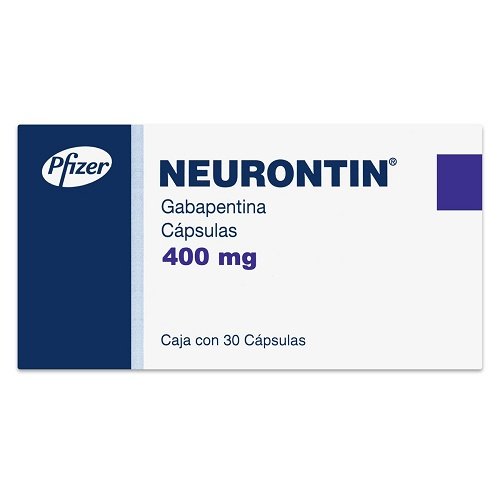
Neurontin (Gabapentin) in the United States: Your Complete 2026 Guide to Safe, Legal, and Evidence-Based Use for Neuropathic Pain
Quick Reference: Neurontin Key Facts (2026 Update)
| Parameter | Details |
|---|---|
| Active Ingredient | Gabapentin |
| Main Indication | Neuropathic pain, partial seizures (adjunct), postherpetic neuralgia |
| Prescription Status (US) | Required; Schedule V controlled substance in many states |
| Standard Adult Dose | Typically starts at 300 mg, titrated up to 1800–3600 mg/day (see detailed section below) |
| Onset of Action | 2–3 hours after oral intake |
| Peak Effect | 2–4 hours after dosing |
| Major Contraindication | Severe renal impairment, allergy to gabapentin or excipients |
| Typical Insurance Coverage | Generally covered by Medicare, Medicaid, and most commercial plans as of 2026 |
| Legal Dispensing Limits | Varies by state—consult your pharmacy or prescriber |
Bottom line: Neurontin is only legally available by prescription in the United States, and must be obtained from a licensed pharmacy.
Is a Prescription Required for Neurontin in the United States?
Direct answer: Yes, Neurontin (gabapentin) requires a valid prescription from a licensed healthcare provider in the United States. It is illegal to purchase Neurontin without a prescription, whether in-person or online. In addition, as of 2026, gabapentin is classified as a Schedule V controlled substance in many states due to concerns about misuse and diversion. This means pharmacies may require a government-issued ID and may limit the quantity dispensed per prescription. Telemedicine appointments are a legal pathway to obtain a prescription in many states, provided proper medical evaluation is performed.
How Does Neurontin Work? (Mechanism of Action Explained)
- Scientific Explanation
-
Neurontin’s active ingredient, gabapentin, is structurally similar to gamma-aminobutyric acid (GABA), but it does not bind to GABA receptors. Instead, gabapentin binds with high affinity to the alpha-2-delta subunit of voltage-gated calcium channels in neurons. This binding reduces calcium influx into nerve cells, dampening the release of excitatory neurotransmitters such as glutamate, substance P, and norepinephrine. The net effect is reduced neuronal excitability and decreased transmission of pain signals, which is especially important in neuropathic pain syndromes.
(For a detailed review, see: Taylor CP et al., Epilepsia 2022, and FDA Neurontin Label, 2024 edition.) - Everyday Metaphor
- Imagine a faulty alarm system in your house that keeps going off for no reason. Neurontin acts like a filter that muffles false alarms, so only truly important signals (real pain or dangerous events) get through.
- Dependence on Conditions?
- Gabapentin works independently of most external factors, but its effectiveness may be reduced in certain metabolic or renal conditions (see “Special Populations” below).
Myth vs Reality:
Myth: Neurontin is just like a painkiller.
Reality: Neurontin does not block pain directly; it modifies nerve signaling to reduce abnormal sensations or chronic pain.
How Should Neurontin Be Taken? Dosing, Peaks, and Duration
- Initiation: Most adults start at 300 mg once daily at bedtime. The dose is gradually increased (titrated) to minimize side effects.
- Titration: Over 3–7 days, the dose may be increased to 300 mg three times daily, then up to 1800–3600 mg/day in divided doses (maximum: 3600 mg/day for pain; higher doses increase side effect risk without proven added benefit).
- Administration: Swallow capsules or tablets whole with water. Extended-release formulations (e.g., Gralise) must not be chewed, split, or crushed.
- Timing: Take at the same times each day to maintain stable blood levels. For pain, even spacing is key.
- Renal impairment: Dosing must be reduced for patients with kidney dysfunction (see product label, consult nephrologist).
- Elderly and frail: Start low, go slow; heightened sensitivity to sedation and falls.
Never exceed the prescribed dose. If a dose is missed, take it as soon as remembered unless it is almost time for the next dose—do not double up.
Peak effect: 2–4 hours post-dose.
Duration of action: 8–12 hours (thus, divided daily doses are recommended).
What if it doesn’t work? If you see no benefit after several weeks at an adequate dose, discuss with your doctor. Do not stop abruptly—tapering is required to prevent withdrawal symptoms such as anxiety, insomnia, or even seizures.
Food, Alcohol, and Lifestyle: What Interacts with Neurontin?
| Substance | Can it be combined? | Possible Effects |
|---|---|---|
| Food (general) | Yes | No clinically significant effect; may take with or without food |
| High-fat meal | Yes | Mild delay in absorption (not clinically relevant for most users) |
| Alcohol | Not recommended | Increases risk of drowsiness, dizziness, and impaired coordination; may increase risk of respiratory depression |
| Grapefruit juice | Yes | No documented interaction |
| Antacids (aluminum or magnesium) | Use with caution | May decrease gabapentin absorption; separate by at least 2 hours |
| Opioids (e.g., oxycodone) | With caution | Increases risk of CNS depression, respiratory suppression—requires close monitoring |
| Driving/Operating Machinery | With caution | May impair ability, especially at initiation or dose increase |
Key takeaway: Neurontin can generally be taken with food, but avoid alcohol and space apart from antacids.
Who Should Not Take Neurontin? (Absolute and Relative Contraindications)
- Known allergy or hypersensitivity to gabapentin or any component of the formulation.
- Severe renal impairment (creatinine clearance <15 mL/min) unless dosing is carefully adjusted by a specialist.
- Pregnancy and breastfeeding (gabapentin crosses the placenta and is excreted in breast milk—discuss risks and benefits with your provider).
- History of substance use disorder (risk for gabapentin misuse).
- Severe respiratory disease (risk of respiratory depression, especially with opioids or sedatives).
- Elderly or frail patients (higher risk of confusion, falls, or sedation).
- History of depression or suicidal ideation (gabapentin may rarely increase risk; monitor for mood changes).
Important: There is no evidence that gabapentin directly harms the heart, but always inform your doctor of all medical conditions before starting.
What Side Effects are Most Common with Neurontin?
- Very Common (>10%)
-
- Dizziness
- Fatigue (sleepiness, somnolence)
- Peripheral edema (swelling of legs or arms)
- Common (1–10%)
-
- Ataxia (impaired coordination)
- Weight gain
- Blurred vision
- Tremor
- Dry mouth
- Nausea, vomiting
- Rare (<1%)
-
- Serious allergic reaction (angioedema, rash, hives)
- Suicidal thoughts or behavior
- Respiratory depression (especially with opioids)
- Myopathy or muscle breakdown
- Very Rare (<0.1%)
-
- Liver injury (hepatitis, jaundice)
- Severe skin reactions (Stevens-Johnson syndrome)
What to do if you experience side effects?
For mild dizziness or drowsiness, consult your doctor about dose adjustment. For swelling, mood changes, breathing difficulty, or rash, seek immediate medical attention. Never stop Neurontin suddenly without professional advice.
Neurontin vs. Alternatives: How Does It Compare?
| Medication | Onset | Duration | Side Effects | Cost (USD, 2026) | Prescription Required? | Main Clinical Use |
|---|---|---|---|---|---|---|
| Neurontin (Gabapentin) | 2–3 hrs | 8–12 hrs | Drowsiness, dizziness, swelling | $0.10–$0.30 (generic), $3–$5 (brand) per 300 mg | Yes | Neuropathic pain, partial seizures |
| Pregabalin (Lyrica) | 1 hr | 12 hrs | Dizziness, weight gain, blurred vision | $0.70–$1.50 (generic) per 75 mg | Yes (C-V) | Neuropathic pain, fibromyalgia |
| Duloxetine (Cymbalta) | 6 hrs | 24 hrs | Nausea, dry mouth, insomnia | $0.30–$0.80 (generic) per 30 mg | Yes | Neuropathic pain, depression |
| Amitriptyline | 6–8 hrs | 24 hrs | Dry mouth, drowsiness, weight gain | $0.05–$0.15 (generic) per 10 mg | Yes | Neuropathic pain, depression |
What it can do vs cannot do: Neurontin is well-tolerated and effective for many types of nerve pain. However, it is not suitable for acute pain, and does not treat inflammation or underlying causes. Some patients respond better to alternatives—always discuss options with your provider.
Key Characteristics of Neurontin (Gabapentin)
| Formulations available | Capsule, tablet, oral solution, extended-release tablet |
| Typical dosing frequency | 2–3 times daily |
| Half-life (T1/2) | 5–7 hours in healthy adults; longer in renal impairment |
| Metabolism | Not significantly metabolized; excreted unchanged in urine |
| Insurance coverage | Medicare, Medicaid, and most commercial plans (check formulary for copay) |
| Common generics | Gabapentin (multiple FDA-approved manufacturers) |
| Storage | Room temperature, away from moisture and light |
Step-by-Step: How to Obtain Neurontin Legally in the United States
-
Step 1: Initial Evaluation
Book an appointment with a primary care physician, neurologist, pain specialist, or via a licensed telemedicine provider. You may need to provide a detailed medical history and current medication list. -
Step 2: Specialist Assessment
If needed, your provider may refer you to a pain clinic (options in cities like New York, Houston, Los Angeles, Chicago, or via national telehealth platforms). -
Step 3: Prescription Issuance
If appropriate, your provider will electronically send a prescription to your chosen pharmacy (in-person or mail-order). -
Step 4: Filling Your Prescription
Present your ID at the pharmacy—expect verification (especially in states with Schedule V status). -
Step 5: Insurance and Copay
Most insurance plans cover generic gabapentin. Out-of-pocket costs vary ($5–$20/month for generics, higher for brand). -
Step 6: Follow-up
Schedule a follow-up visit or telehealth check-in to assess effectiveness and monitor for side effects after 2–4 weeks.
Caution: Never attempt to obtain Neurontin from unverified online sources or overseas vendors. U.S. pharmacies are regulated by the FDA and state boards of pharmacy.
Is It Legal to Buy Neurontin Online in the United States?
Short answer: Yes—if you have a valid prescription and use a licensed U.S. pharmacy certified by the National Association of Boards of Pharmacy (NABP). Look for the “.pharmacy” verification seal.
Illegal and unsafe: Sites that offer Neurontin without a prescription or operate outside FDA oversight may provide counterfeit, contaminated, or substandard products. Penalties for illegal importation include confiscation, fines, and possible prosecution.
Myth vs Reality:
Myth: Online “pharmacies” selling Neurontin without prescriptions are just cheaper sources.
Reality: Most are illegal, and up to 60% of these drugs are counterfeit or unsafe according to FDA investigations.
How to Identify Authentic Neurontin and Avoid Counterfeits
- Packaging: Original Neurontin comes in branded yellow/white boxes with the Pfizer logo, U.S. NDC code, lot number, and expiry date. Capsules are hard-shell, usually white or yellow (100 mg, 300 mg, 400 mg), with specific imprint codes (“PD” followed by numbers).
- Verification: Many U.S. manufacturers now include tamper-evident seals, QR codes, or holograms. Use your smartphone to verify QR codes where available.
- Unusually low price: If the cost seems “too good to be true,” it may indicate a counterfeit or gray-market product. Only accept medication dispensed by U.S.-licensed pharmacies.
- Suspicious appearance: Misspellings, poor-quality printing, or broken capsules are warning signs. When in doubt, ask your pharmacist.
Generics: FDA-approved gabapentin generics will have different shapes/colors and manufacturer markings but must meet the same quality standards.
Neurontin vs. Gabapentin Generics: What’s the Difference?
- Brand-name packaging, strict quality controls, higher cost ($3–$5 per 300 mg capsule, uninsured).
- Inactive ingredients (excipients) may differ from generics.
- FDA-approved manufacturers (e.g., Teva, Amneal, Aurobindo) supply the majority of U.S. prescriptions.
- Same active ingredient, dosage, absorption rate (bioequivalence required by law).
- Inactive ingredients may vary—rare risk of allergy or intolerance (consult ingredient list).
- Much lower cost, often $5–$20/month with insurance.
Bottom line: Generics are safe, effective, and the best choice for most U.S. patients—unless you have a proven allergy to a specific excipient.
Special Populations: Is Neurontin Safe for You?
- Older Adults: More sensitive to dizziness, sedation, and falls—start at lowest dose, titrate slowly.
- Renal Impairment: Gabapentin is excreted by the kidneys—doses must be reduced in chronic kidney disease. Dialysis patients need individualized regimens.
- Pediatric Use: FDA-approved for some seizure types in children over 3 years; off-label use for pain is less common and requires specialist oversight.
- Pregnancy and Breastfeeding: Gabapentin is category C (risk can’t be ruled out). Use only if potential benefit outweighs risk, under OB supervision.
- Mental Health: Rare cases of mood changes, anxiety, or suicidality—close monitoring recommended if any psychiatric history.
- Ability to Drive: Gabapentin may impair alertness and coordination, especially after starting or changing dose. Avoid driving or hazardous work until you know your individual response.
- Fertility: No evidence of direct effect on fertility, but always consult if planning pregnancy.
What Should I Do in Case of Overdose?
- Stop taking Neurontin immediately.
- Call 911 or your local U.S. Poison Control Center (www.poison.org | 1-800-222-1222).
- Provide the medical professional with the medication name, dose taken, and time of ingestion.
- Do not attempt to induce vomiting unless specifically instructed.
- If safe, bring the medication packaging to the emergency room.
Symptoms of overdose may include severe drowsiness, slurred speech, unresponsiveness, double vision, or difficulty breathing. Prompt action saves lives.
You’re Not Alone: Psychological Support & Next Steps
Chronic pain and neurological conditions are common and highly treatable. If you’re struggling, remember: you are not alone. Many people benefit from combining medical therapy with physical therapy, counseling, or support groups. Consider discussing your concerns with family, friends, or a qualified behavioral health professional. Your doctor can refer you to local or online resources.
Bottom line: Medication is only one part of a comprehensive pain management plan.
Frequently Asked Questions (FAQ)
- Can Neurontin be used daily?
- Yes, Neurontin is intended for regular daily use as prescribed. Do not skip or abruptly stop without your doctor’s guidance.
- How quickly does Neurontin start to work?
- Most users notice effects within 2–3 hours of the first dose, but meaningful relief may take days to weeks of dose titration.
- Is it safe to take Neurontin with other pain medications?
- It can be combined with other medications under medical supervision, but combining with opioids increases risk of sedation and breathing problems. Always disclose all medications to your provider.
- What should I do if I forget a dose?
- Take it as soon as you remember unless it’s almost time for your next dose. Never double-up doses.
- Does Neurontin cause dependence or withdrawal?
- Yes, physical dependence can occur with prolonged use. Stopping suddenly may lead to withdrawal symptoms—always taper under medical supervision.
- Is Neurontin covered by insurance?
- Most plans, including Medicare and Medicaid, cover gabapentin generics. Copays vary based on plan and pharmacy.
- Can I drive while taking Neurontin?
- Neurontin may impair alertness, especially when starting or changing dose. Do not drive until you know how it affects you.
- Are there natural alternatives to Neurontin?
- Some people benefit from physical therapy, acupuncture, or cognitive-behavioral therapy for neuropathic pain. No natural supplement has proven equivalence to gabapentin in clinical studies.
- What’s the difference between Neurontin and Lyrica?
- Both are related medications for nerve pain. Lyrica (pregabalin) has a faster onset and may cause more pronounced side effects in some users. Insurance coverage and cost may differ.
- How do I find a specialist for neuropathic pain?
- Ask your primary care provider for referral to a pain specialist or neurologist, or search the American Board of Pain Medicine directory.
References
- U.S. Food & Drug Administration. “Neurontin (gabapentin) Prescribing Information,” Revised 2024. FDA Label
- Taylor CP, et al. “Pharmacology and Mechanism of Action of Gabapentin.” Epilepsia. 2022;63(7):1801–1811. PubMed
- American Academy of Neurology. “Practice guideline: Treatment of postherpetic neuralgia.” Neurology 2023. AAN Guidelines
- National Association of Boards of Pharmacy. “.pharmacy Accredited Pharmacy List.” Accessed 2026. NABP
- Centers for Medicare & Medicaid Services. “Medicare Part D Drug Coverage, 2026.” Medicare
- U.S. Poison Control Centers. “Gabapentin Overdose Information.” Poison.org
- FDA Drug Safety Communication: “FDA warns about serious breathing problems with gabapentin.” 2025. FDA Communication
- American Board of Pain Medicine. “Find a Pain Medicine Physician.” Accessed 2026. ABPM