- Home/
- Buy Ivermectin Without Prescription in the United States Online
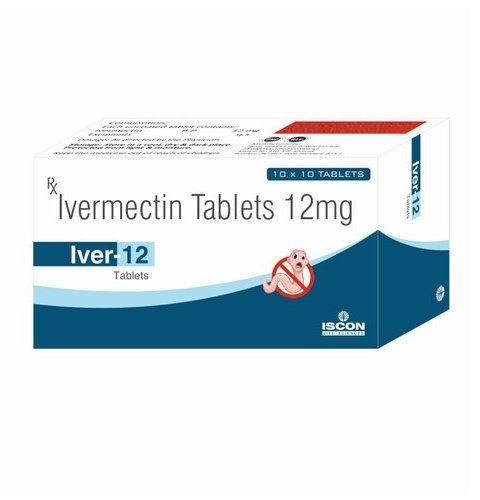
Ivermectin in the United States: Complete Medical Guide, Prescription, Safety, and Expert Insights
Can Ivermectin be purchased without a prescription in the United States?
No, purchasing Ivermectin without a prescription in the United States is illegal. Ivermectin is a prescription-only medication regulated by the U.S. Food and Drug Administration (FDA). Dispensing or obtaining it without a valid prescription from a licensed healthcare provider may result in legal consequences and increases the risk of receiving counterfeit or unsafe products.
Summary Table: Key Facts About Ivermectin
| Parameter | Details (2026, United States) |
|---|---|
| Active Ingredient | Ivermectin |
| Drug Category | Antiparasitic |
| Main Indications | Parasitic infections (e.g., strongyloidiasis, onchocerciasis, scabies) |
| Prescription Requirement | Yes (mandatory) |
| Typical Dose | 150–200 mcg/kg (single dose), tailored to indication |
| Common Side Effects | Headache, dizziness, nausea |
| Peak Blood Levels | 4–5 hours after dosing |
| FDA-Approved Uses | Yes (FDA) |
| Price (per tablet, 3 mg) | $2–$8 (as of 2026, varies by pharmacy & insurance) |
| Insurance Coverage | Often covered for FDA-approved uses |
How does Ivermectin work in the body?
Ivermectin is an antiparasitic agent that targets a broad spectrum of parasitic worms and certain ectoparasites. Its primary mechanism involves binding to glutamate-gated chloride channels found in the nerve and muscle cells of invertebrates. This causes an influx of chloride ions, leading to hyperpolarization, paralysis, and eventually the death of the parasite.
In humans, these chloride channels are absent, which accounts for Ivermectin’s high margin of safety when used as directed. The drug does not directly kill adult worms in all indications but often immobilizes or inactivates them, allowing the immune system to clear the infection.
Metaphor: Imagine Ivermectin as a “locksmith” that jams the electrical signals in parasites, keeping their nervous system from working properly. Eventually, the parasite becomes paralyzed and is removed from the body.
The effect of Ivermectin does not depend on external triggers or diet, but suboptimal dosing, poor absorption, or co-administration of certain medications can reduce its effectiveness.
Myth vs Reality
Myth: “Ivermectin works instantly on all infections.”
Reality: Some parasites may require more than one dose or combination therapy. Effectiveness depends on the type of infection, your immune status, and compliance with the prescribed regimen.
Expert Commentary from doctor
As a physician specializing in infectious diseases, I’ve noticed that patients often believe Ivermectin is a ‘one-size-fits-all’ solution for any type of infection. In reality, its effectiveness is highly indication-specific. For example, while it’s extremely effective for some nematode infections, it’s not suitable for all parasitic diseases, nor for viral illnesses. I frequently see patients missing their follow-up dose or mixing Ivermectin with non-recommended medications, which can lower the drug’s efficacy and increase side effects. My practical advice: always clarify with your provider how many doses are needed for your specific diagnosis and what to avoid during the treatment window. Don’t hesitate to ask about interactions, especially if you use multiple medications or supplements.
What is the standard dosing regimen for Ivermectin?
Ivermectin dosing varies by indication, body weight, and patient-specific factors. Typical regimens in the United States as of 2026 are:
- Strongyloidiasis (intestinal roundworm): Single dose of 200 mcg/kg. In some cases, a repeat dose may be needed after 2 weeks.
- Onchocerciasis (river blindness): 150 mcg/kg as a single dose, repeated every 6–12 months as advised.
- Scabies (off-label): 200 mcg/kg per dose, two doses usually given 7–14 days apart.
Maximum dose: Should not exceed the recommended amount without strict medical supervision. Overuse increases toxicity risk.
- Peak blood levels: Reached approximately 4–5 hours after administration.
- Duration of action: Variable, but typically several days; may require repeat dosing depending on the infection.
- Dosage adjustments: May be needed in elderly patients, in those with liver impairment, or for certain co-existing medical conditions.
- Tablet splitting: Most 3 mg and 6 mg tablets in the United States are not designed to be split. Always check with your pharmacist.
How do food, alcohol, and lifestyle impact Ivermectin?
- Food:
- Taking Ivermectin with a high-fat meal can increase absorption by up to 2.5-fold, potentially increasing both effectiveness and risk of side effects (FDA).
- Alcohol:
- There’s no strict prohibition against moderate alcohol use, but combining Ivermectin with alcohol can increase drowsiness, dizziness, and risk of liver strain. It’s safest to avoid alcohol within 24 hours before and after dosing.
- Grapefruit Juice:
- Grapefruit compounds may theoretically increase Ivermectin blood levels via CYP3A4 inhibition, raising risk of toxicity. Avoid grapefruit and grapefruit juice within 48 hours before and after administration.
- Other lifestyle considerations:
- Be cautious with strenuous activity if you experience dizziness or blurred vision after taking Ivermectin.
Who should not take Ivermectin? (Absolute and relative contraindications)
| Type | Description |
|---|---|
| Absolute |
|
| Relative |
|
Red flag: Never use Ivermectin in children under 15 kg or in people with known allergy to the drug.
What side effects are most common with Ivermectin?
- Very common (≥1/10): Headache, dizziness, mild gastrointestinal upset (nausea, diarrhea)
- Common (≥1/100): Itching, rash, fatigue, muscle or joint pain, mild elevations in liver enzymes
- Rare (≥1/1,000): Visual disturbances, confusion, hypotension, swelling of hands/feet, fever (especially if treating filarial infections)
- Very rare (<1/10,000): Severe skin reactions (Stevens-Johnson Syndrome), seizures, severe allergic reactions (anaphylaxis)
Why do these occur? Many side effects result from the body’s reaction to dying parasites (the Mazzotti reaction), especially in heavy infestations. The risk of liver strain increases with higher doses.
What to do if side effects occur: Stop the medication and contact your doctor immediately if you experience severe symptoms (difficulty breathing, severe rash, confusion). For mild symptoms, consult your provider for management advice.
Common Patient Mistakes Observed by doctor
- Using leftover or unverified medication: Patients sometimes use Ivermectin from previous prescriptions or unregulated sources. This is risky—dosing may be inappropriate, and counterfeit products are common. Solution: Only use medication dispensed by a licensed U.S. pharmacy with a valid prescription.
- Ignoring repeat doses: Some infections require more than one dose (e.g., scabies). Missing the second dose can lead to treatment failure. Solution: Set reminders and clarify your regimen with your provider.
- Combining with interacting medications: Over-the-counter antifungals, antibiotics, or certain supplements can interfere with Ivermectin metabolism. Solution: Always list all medications and supplements during your medical visit.
- Assuming “natural” means “safe”: Some believe herbal products can be taken with Ivermectin without risk. Certain herbs can affect liver metabolism. Solution: Discuss all supplements with your pharmacist or doctor.
- Taking with a heavy meal without knowing the risks: Fatty meals significantly increase absorption but may heighten side effects. Solution: Follow your provider’s specific food instructions.
How does Ivermectin compare to alternative antiparasitics?
| Medication | Onset Speed | Duration | Common Side Effects | FDA-Approved Indications | Typical Price (per tablet) |
|---|---|---|---|---|---|
| Ivermectin | 4–5 hrs to peak level | 1–2 weeks (dependent on parasite) | Headache, nausea, rash | Strongyloidiasis, onchocerciasis | $2–$8 |
| Albendazole | 2–5 hrs to peak | 1–3 days per dose | GI upset, liver enzyme elevation | Wider spectrum of worms | $6–$12 |
| Mebendazole | 2–4 hrs | Short, repeat dosing may be needed | GI upset, rare rash | Pinworm, roundworm, hookworm | $7–$14 |
Bottom line: Ivermectin tends to be more effective for certain roundworm and ectoparasite infections, while albendazole or mebendazole may be preferred for others. Cost is generally lower for Ivermectin, but insurance coverage varies.
Questions Frequently Asked to doctor
- 1. How soon will I feel better after taking Ivermectin?
- For most parasitic infections, symptoms begin to improve within a few days, though complete eradication may take longer. If you don’t notice improvement after one week, contact your provider.
- 2. What if I miss a dose?
- If you miss a scheduled dose, take it as soon as you remember unless it’s almost time for the next one. Never double the dose. Notify your doctor for further instructions.
- 3. Is it safe to take Ivermectin with my other prescriptions?
- Some medications and supplements interact with Ivermectin. Always disclose your full medication list to your provider before starting treatment.
- 4. Can I take Ivermectin if I have liver problems?
- Mild liver impairment may require dose adjustment; severe liver disease is a contraindication. Your doctor will assess the risks and benefits specific to your situation.
- 5. Is Ivermectin safe during pregnancy or breastfeeding?
- Use in pregnancy or while breastfeeding is generally not recommended unless absolutely necessary. Discuss with your healthcare provider to weigh benefits and risks.
- 6. Will my insurance cover Ivermectin?
- Most insurance plans cover Ivermectin when prescribed for FDA-approved uses, but coverage may vary. Check with your insurer and pharmacy for details.
- 7. Can I drive after taking Ivermectin?
- If you experience dizziness, drowsiness, or blurred vision, avoid driving or operating machinery until effects resolve.
Key Characteristics Table: Ivermectin at a Glance
| Parameter | Value |
| Active Ingredient | Ivermectin |
| Tablet Strengths | 3 mg, 6 mg (U.S. standard in 2026) |
| Administration | Oral (with water, before or after food) |
| Half-life (T1/2) | 18 hours (range: 12–36 hours) |
| Metabolism | Liver (CYP3A4 pathway) |
| Excretion | Mainly fecal, minimal urinary |
How can I obtain Ivermectin legally in the United States? Step-by-step guide
-
Step 1: Medical Consultation
Schedule an appointment with a licensed healthcare provider (family physician, infectious disease specialist, or through a certified telemedicine platform). -
Step 2: Assessment and Diagnosis
Your doctor will review your medical history, current medications, and symptoms. Laboratory testing may be ordered to confirm the parasitic infection. -
Step 3: Prescription Issued
If Ivermectin is appropriate, your doctor will send a prescription to a licensed U.S. pharmacy (brick-and-mortar or reputable online pharmacy). -
Step 4: Pharmacy Dispensing
The pharmacy will verify your prescription and dispense Ivermectin. Insurance coverage will be applied if available. -
Step 5: Counseling and Follow-up
Pharmacist or provider will review dosing, potential interactions, and side effect management. Follow up as advised for repeat dosing or monitoring.
Telemedicine option: Many states in the U.S. allow telehealth consultations for parasitic infections, provided you use a Board-certified platform that can transmit prescriptions to licensed pharmacies.
Is it legal to buy Ivermectin online in the United States?
Ivermectin can be legally purchased online only if you have a valid prescription and the pharmacy is licensed in the United States. Avoid websites that do not require a prescription or are based outside the U.S.—these often sell counterfeit or substandard products, which may be ineffective or dangerous. Always look for verification (such as the NABP’s “VIPPS” seal).
Attempting to import Ivermectin without a prescription, or from an unlicensed foreign source, is prohibited and may result in the medication being seized by customs, fines, or legal action.
How to recognize real versus counterfeit Ivermectin (Quality Assurance)
- Packaging: Original U.S.-marketed Ivermectin tablets come in blisters or bottles with clear, FDA-compliant labeling, barcodes, and manufacturer information. Counterfeits often have faded printing, spelling errors, or no batch numbers.
- Tablet appearance: Standard tablets are white or off-white, round or oval, sometimes with a debossed code or logo. Unusual colors or shapes are suspicious.
- Price warning: Prices far below the typical U.S. range ($2–$8 per tablet) are a red flag for counterfeit or illegal “grey market” products.
- Verification: U.S. packaging may include a QR code or hologram for verification. Check with your pharmacist if you have doubts.
- Generics: Legitimate generics are FDA-approved and will state the manufacturer and distributor. They are as effective as branded products but may have different inactive ingredients.
Ivermectin Compatibility Checklist
| Product | Can It Be Combined? | Possible Consequences |
|---|---|---|
| Acetaminophen (Tylenol) | Yes | No significant interaction |
| Alcohol | Caution | Increased dizziness, potential liver strain |
| Ketoconazole (antifungal) | STRICTLY NO | Increased Ivermectin toxicity (CYP3A4 inhibition) |
| Macrolide antibiotics | Caution | Potential additive neurotoxicity |
| Grapefruit juice | STRICTLY NO | Raises Ivermectin blood levels, toxicity risk |
| Dietary supplements (herbals) | Caution | Possible liver metabolism effects |
What should I do in case of Ivermectin overdose?
- Stop taking Ivermectin immediately.
- Call 911 or seek emergency care. In the United States, prompt medical intervention can be life-saving.
- Provide the healthcare team with exact details of the dose taken, timing, and any other medications used.
- Do not attempt to induce vomiting unless instructed by poison control or emergency personnel.
- If available, bring the medication packaging to the emergency department.
Signs of overdose may include confusion, coordination problems, rapid heartbeat, severe rash, difficulty breathing, or seizures.
A note on psychological support and stigma
Parasitic infections are more common in the United States than many people realize—and seeking help is a responsible choice, not a source of shame. If you feel isolated or anxious about your diagnosis, consider talking to your provider or a counselor. Many recover fully with proper therapy.
Original vs Generic Ivermectin: What’s the difference?
Original brands (e.g., Stromectol) and FDA-approved generics (multiple manufacturers in 2026) contain the same active molecule. Generics are generally less expensive—averaging $2–$4 per tablet compared to $6–$8 for branded. The main differences are in:
- Inactive ingredients (excipients): Some generics use different binders or fillers, which rarely can trigger allergies.
- Appearance: Slight variation in color, size, or imprint is permitted but must be listed on the label.
- Effectiveness: Both must meet strict FDA standards for bioequivalence.
Bottom line: Generics offer a safe, effective, and affordable alternative when obtained from a licensed U.S. pharmacy. If you have a known allergy to an excipient, inform your pharmacist.
How is Ivermectin metabolized and eliminated?
Ivermectin is metabolized mainly in the liver via the CYP3A4 enzyme pathway and to a lesser extent by CYP2D6 and CYP2E1. The elimination half-life is about 18 hours, but this varies between 12 and 36 hours depending on individual factors.
Most of the drug is excreted in the feces, with only minimal urinary excretion. Liver disease may prolong elimination and increase the risk of side effects, so dose adjustment is necessary in such cases.
Ivermectin in special patient groups
- Elderly: No specific dose adjustment required unless significant liver impairment is present. Monitor for dizziness or hypotension.
- Children: Not recommended for those under 15 kg (about 33 lbs).
- Liver disease: Use with caution; dose reduction may be needed.
- Pregnancy and breastfeeding: Only when benefits outweigh risks. Discuss with your doctor.
- Impaired driving: If experiencing drowsiness or blurred vision, avoid operating vehicles.
- Fertility: No evidence Ivermectin impairs fertility at therapeutic doses.
Professional Opinion of doctor
In my clinical experience, Ivermectin remains the mainstay treatment for a limited but important group of parasitic infections in the United States—especially strongyloidiasis and onchocerciasis. Patients with confirmed diagnoses and no major contraindications generally experience rapid and safe improvement when the medication is correctly prescribed and monitored. However, I emphasize the importance of not using Ivermectin for unapproved indications or as a preventive treatment without medical oversight, as this may cause harm or mask underlying disease.
For patients with liver impairment, pregnancy, or who are taking multiple medications, the risk-benefit analysis must be individualized. There are cases where alternative agents (such as albendazole) may be preferable, particularly for broader-spectrum or tissue-invasive infections. The most successful outcomes occur when patients adhere closely to their provider’s guidance, report adverse symptoms promptly, and avoid unregulated sources of medication. When in doubt, always consult a qualified healthcare professional.
Frequently Asked Questions
- Can Ivermectin be used daily?
- No, daily use is not recommended and increases the risk of toxicity. Only use as prescribed for your specific infection.
- Does Ivermectin treat viral infections?
- No, Ivermectin is not approved for viral infections and should not be used for this purpose in the United States.
- How long does Ivermectin stay in my system?
- Most of the drug is eliminated within 2–3 days, but traces may persist for a week due to the long half-life.
- Is a prescription always required for Ivermectin in the United States?
- Yes. It is a prescription-only medication according to FDA regulations.
- Can Ivermectin cause allergic reactions?
- Rarely, but allergic reactions can occur—especially if you are allergic to inactive ingredients. Seek immediate medical help for swelling, rash, or difficulty breathing.
- What if I feel worse after taking Ivermectin?
- Contact your healthcare provider. Some side effects are due to the body reacting to parasite die-off, but worsening symptoms may indicate complications.
- Is it safe to buy Ivermectin from international websites?
- No. This is illegal and carries significant risk of receiving counterfeit, unsafe, or ineffective medication in the United States.
- Does insurance cover Ivermectin in the United States?
- Coverage varies, but most plans will cover it for FDA-approved indications. Check with your insurance provider.
- What should I do if I accidentally take too much Ivermectin?
- Stop taking the drug and seek emergency medical help immediately.
References
- U.S. Food and Drug Administration (FDA). https://www.fda.gov/
- Centers for Disease Control and Prevention. https://www.cdc.gov/parasites/strongyloides/health_professionals/index.html
- Mayo Clinic. Ivermectin (Oral Route) Description and Brand Names. https://www.mayoclinic.org/drugs-supplements/ivermectin-oral-route/description/drg-20064397
- PubMed. “Pharmacokinetics and safety of Ivermectin.” https://pubmed.ncbi.nlm.nih.gov/
- ClinicalTrials.gov. https://clinicaltrials.gov/
- World Health Organization (WHO). https://www.who.int/