- Home/
- Buy Prednisolone in Online Pharmacy in the United States Today
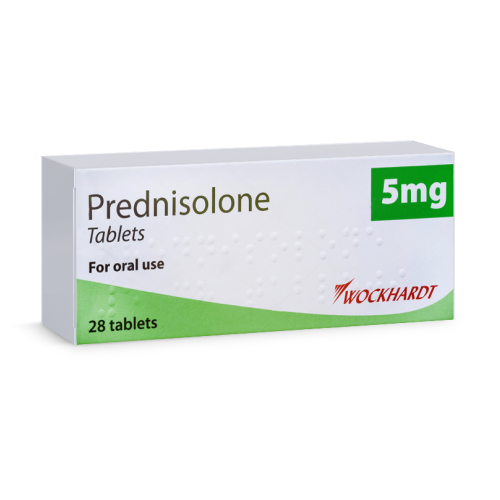
| Name of medication | Prednisolone |
|---|---|
| Main therapeutic agent | Prednisolone |
| Primary use | Treatment of various inflammatory and immune-related conditions |
| Strengths on the market | 1 mg, 5 mg, 10 mg, 20 mg, 50 mg tablets; liquid and injectable forms |
| How quickly it starts working | Typically within a few hours after the first dose |
| How long its effect lasts | Approximately 12–36 hours, depending on dosage and individual response |
| Typical dosing schedule | Once daily, split dosing, or as directed by a healthcare professional |
| Is a prescription needed in United States? | Yes, prescription required |
Prednisolone for inflammation — what to know in United States
Prednisolone is a prescription medication used to manage a range of inflammatory and autoimmune disorders. It is legally available in the United States under the oversight of the Food and Drug Administration (FDA) and can be found in both brand-name and generic versions. Prednisolone addresses inflammation at its source, providing relief for many individuals who need effective anti-inflammatory therapy.
Understanding Your Symptoms: Inflammation Is a Treatable Challenge
Experiencing swelling, redness, or pain that won’t subside? You’re not alone. Inflammation is at the root of countless health conditions — from asthma and rheumatoid arthritis to allergies and skin disorders. According to the Centers for Disease Control and Prevention (CDC), 2023, nearly 24% of adults in the United States live with one or more chronic inflammatory diseases. The good news: most causes of persistent inflammation are now manageable with established treatments. Recognizing your symptoms and addressing them early can prevent complications and help restore quality of life.
How Prednisolone Works: From Cellular Action to Symptom Relief
Prednisolone is a synthetic corticosteroid, which means it mimics the effects of hormones naturally produced by your adrenal glands. At the cellular level, it suppresses the production of substances that drive inflammation — such as prostaglandins and cytokines. By blocking these chemical messengers, Prednisolone quiets the immune system’s overreaction. Practically, this often translates into reduced swelling, pain, and redness within hours to days of starting the medication. For most users, the first improvements become noticeable after one or two doses, with continued progress during the prescribed course. However, the speed and degree of relief can vary based on the underlying condition and individual response.
Is Prednisolone Right for You? Choosing Based on Your Situation
| Your Situation | Recommended Approach | Why This Option? |
|---|---|---|
| You need rapid control of severe inflammation (e.g., asthma flare, acute allergic reaction, flare of autoimmune disease). | Prednisolone is often preferred. | It acts quickly and can be adjusted for short-term intensive treatment, helping to halt serious flare-ups. |
| You require ongoing, long-term management for a chronic condition (ex: arthritis, inflammatory bowel disease). | Prednisolone may be used, but other medications are usually added or substituted over time. | While effective, long-term use of Prednisolone carries risks; doctors often shift to “steroid-sparing” options to minimize side effects. |
| You have a history of poorly controlled diabetes, active infection, or osteoporosis. | Prednisolone is generally avoided or only used with specialist supervision. | It can worsen blood sugar control, lower resistance to infection, and reduce bone strength. |
| Your symptoms are mild or limited to the skin or nasal passages (e.g., mild dermatitis, allergic rhinitis). | Topical or inhaled steroids may be more suitable than oral Prednisolone. | These forms deliver relief with fewer systemic risks. |
These scenarios illustrate that Prednisolone isn’t a one-size-fits-all solution. Individual factors — like underlying health problems, the severity of inflammation, and risk tolerance — make an honest discussion with your healthcare provider essential before starting treatment.
Applying Prednisolone in Real Life: What to Expect and How to Handle Common Issues
- Taking your dose: Prednisolone is usually taken in the morning to mimic the body’s natural steroid cycle and reduce sleep interference. It may be taken with food to lessen stomach upset.
- If you forget a dose: Take it as soon as you remember if it’s within a few hours of the scheduled time. If it’s close to your next dose, skip the missed one — don’t double up.
- Not seeing results: Some conditions respond more slowly. If there’s no improvement in a few days, or if symptoms worsen, contact your doctor for reassessment.
- Pausing or stopping: Never discontinue Prednisolone abruptly after more than a few days’ use; sudden withdrawal can cause adrenal crisis, a serious condition. Gradual tapering under medical supervision is necessary for long-term users.
- With other medications and meals: Check with your provider about drug interactions. Prednisolone can be taken with or without food, but food is recommended for stomach protection.
- Unusual situations: If you are ill, under stress, or need surgery, your dose may need temporary adjustment. Inform all healthcare providers that you are taking corticosteroids.
Doctor’s advice:
“One of the biggest risks with Prednisolone is patients stopping it suddenly after weeks of use. Even if you feel better, always check with your provider before making changes. The body needs time to adjust.” — Dr. Elizabeth Warren, Board-Certified Rheumatologist
Can I Take Prednisolone? — Contraindications Explained
- Uncontrolled systemic infections: Prednisolone suppresses the immune response, so it should not be used if you have an active, untreated infection. This could allow the infection to spread more rapidly.
- Known hypersensitivity to Prednisolone or similar drugs: Allergic reactions can range from mild rash to severe, life-threatening events.
- Recent live vaccinations: Live vaccines may not work properly or could cause illness in people taking immunosuppressants like Prednisolone.
- Severe osteoporosis or certain psychiatric conditions: Because Prednisolone may worsen bone loss or psychiatric symptoms, extra caution or an alternative treatment is usually chosen.
If you have any of these factors, Prednisolone may not be appropriate, or only suitable if carefully managed by a specialist. Always disclose your full medical history to your prescriber.
Side Effects: What’s Common, What’s Serious, and What to Watch For
- Frequent and mild: Increased appetite, fluid retention, mood swings, difficulty sleeping, mild stomach upset. These often improve as your body adjusts.
- Less common but important: Elevated blood sugar (especially if you have diabetes), muscle weakness, slow wound healing, thinning skin, or bruising. Monitor for these if on the medication more than a few weeks.
- Rare but requires urgent care: Sudden shortness of breath, swelling of face or throat, severe confusion, or loss of consciousness. If you experience any of these, call 911 (the national emergency number in the United States) immediately — these may signal a severe allergic reaction or other life-threatening complication.
With high doses or extended use, risk of adrenal suppression, osteoporosis, or eye problems (such as glaucoma or cataracts) rises. Your prescriber may schedule lab tests or physical checks if you use Prednisolone for longer than a few weeks.
Medication Interactions: What Not to Combine With Prednisolone
- Blood thinners (e.g., warfarin): Prednisolone can alter how these medications work, increasing bleeding risk.
- Diabetes medications: Prednisolone can raise blood sugar, potentially requiring dosage adjustments.
- NSAIDs (e.g., ibuprofen or aspirin): Taken together, they increase the risk of stomach ulcers and bleeding.
- Live vaccines: As mentioned above, combining live vaccines with Prednisolone may lessen vaccine effectiveness and increase infection risk.
- Certain antifungal and seizure medications: These can change Prednisolone’s breakdown in the body, altering effects and side effects.
To avoid serious complications, share a list of all prescription and non-prescription products you take with your healthcare provider before starting Prednisolone.
How Does Prednisolone Stack Up? Comparing Alternatives for Inflammation
| Medication | Best for | Advantages | Limitations |
|---|---|---|---|
| Prednisolone | Acute moderate-to-severe inflammation, short-term flares, conditions needing rapid suppression | Fast acting, oral and injectable forms, widely available, adjustable dosing | Long-term risks (bone loss, diabetes, infection), requires prescription, not ideal for chronic use |
| Non-steroidal anti-inflammatory drugs (NSAIDs) | Mild-to-moderate pain and swelling from injury, arthritis, or minor illness | Available over-the-counter, fewer systemic side effects with short-term use | Not sufficient for severe or immune-mediated disease, may irritate stomach, kidney risk with prolonged use |
| Other corticosteroids (e.g., prednisone, methylprednisolone) | Similar indications as Prednisolone | Wide clinical experience, multiple dosing options | Similar side effect profile; choice often based on individual metabolism and prescriber preference |
| Biologic agents (e.g., TNF inhibitors) | Severe, chronic inflammatory autoimmune diseases | Targeted, steroid-sparing, can enable lower steroid doses | High cost, require injections or infusions, increased infection risk, prescription and specialist oversight mandatory |
No single medication is “best” for all situations. Prednisolone is highly effective when a rapid, strong response is needed, but is usually not the first choice for mild conditions or for ongoing, long-term control due to its risk profile.
What You Will Actually Pay: Real Costs for Prednisolone in United States
| Expense | Approximate Amount (USD) | What’s included |
|---|---|---|
| Doctor consultation | $100–$250 | In-person or telemedicine visit required for prescription |
| Prescription cost | $0–$20 | Varies by provider and insurance; often included in visit |
| Prednisolone tablets (generic, 30-day supply) | $10–$40 | Depends on pharmacy, dosage, and insurance coverage |
| Delivery (optional, for online/mail-order pharmacies) | $5–$25 | Standard vs. express shipping |
| Total | $115–$335 | Lower end: with insurance, generic, standard delivery. Higher end: uninsured, higher dose, express delivery. |
Most U.S. pharmacies stock generic Prednisolone at affordable prices, and many insurance plans cover the medication after a physician’s prescription. Buying online without a prescription is not legal in the United States, but some international pharmacies offer this service. Be aware: using unverified online vendors carries risks of counterfeit products and lack of medical oversight.
Remaining Questions: Storage, Refills, and Regulatory Details
- How should Prednisolone be stored? At room temperature, away from moisture, heat, and sunlight. Always keep out of reach of children.
- Can you get refills? If your doctor prescribes a long-term course, they can authorize refills. Refills may require regular check-ins to monitor for side effects or dose adjustments.
- Who regulates Prednisolone in the United States? The Food and Drug Administration (FDA) approves and monitors all prescription corticosteroids. Any new formulation or generic version must pass FDA review for safety and efficacy before being marketed.
- Is a prescription mandatory? Yes, by U.S. law, Prednisolone requires a valid prescription and is not legally available over the counter.
For any situation not covered here — such as pregnancy, breastfeeding, or rare comorbidities — direct consultation with a healthcare provider is essential. No article can replace personalized medical advice, especially for potent prescription medications like Prednisolone.