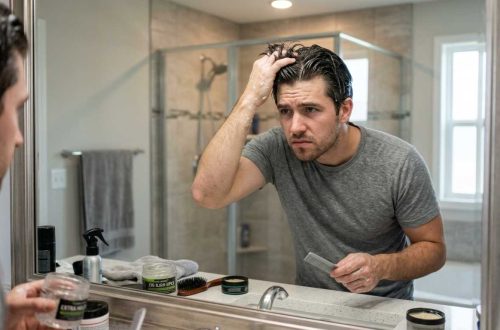
Many people want longer hair in less time. Slow hair growth can feel frustrating, especially if your hair also breaks easily.
The truth is that hair grows slowly and needs time. But natural care can help your hair grow in a healthier way and stay strong.
In this article, you will learn simple natural tips that support hair growth, improve scalp health, and reduce breakage.
How to Do Spiky Hair for Men (Easy Step-by-Step)
How Hair Growth Actually Works
Hair grows in a cycle. It does not grow all the time in the same way.
Anagen: The Growth Phase
This is the active growth stage. During this time, hair grows from the root and gets longer.
Catagen: The Transition Phase
This is a short stage. Hair stops growing and prepares to rest.
Telogen: The Resting Phase
In this stage, the hair rests and later falls out. Then a new hair starts growing from the same root.
How Fast Hair Usually Grows
Most hair grows about half an inch in one month. This can be a little faster or slower depending on the person.
What Affects Hair Growth
Many things affect hair growth. These include genetics, age, hormones, diet, stress, and scalp condition.
Can You Really Make Hair Grow Faster Naturally?
Natural methods cannot make your hair grow very fast overnight. There is no instant solution for long hair.
But natural care can help your hair grow at its best normal rate. It can also reduce breakage and keep the strands stronger.
So even if the root does not grow much faster, your hair can still look longer over time because less hair is breaking.
Nourish Hair Growth From Within
Healthy hair starts inside the body. If your body does not get enough nutrients, your hair may become weak.
Eat a Protein-Rich Diet
Hair is made mostly of protein. That is why protein is important for strong hair growth.
Good foods include eggs, fish, chicken, beans, lentils, yogurt, milk, tofu, nuts, and seeds.
Focus on Key Vitamins and Minerals
Your hair also needs iron, zinc, biotin, vitamin D, vitamin C, and omega-3 fats. These nutrients support healthy roots and stronger strands.
A balanced diet is better than depending only on products or oils.
Stay Hydrated
Water is important for the whole body, including your scalp. A dry body can lead to a dry scalp and weaker hair.
Try to drink enough water every day.
Consider Supplements Carefully
Some people take hair supplements. These may help only if you have a real vitamin or mineral deficiency.
It is best to speak with a doctor before taking supplements.
Improve Scalp Health Naturally
A healthy scalp gives hair a better place to grow. If the scalp is dirty, dry, or irritated, hair may not stay as healthy.
Scalp Massage
Scalp massage is simple and natural. It may help improve blood flow and relax the scalp muscles.
You can gently massage your scalp with your fingertips for a few minutes each day.
Keep the Scalp Clean
Oil, sweat, and product buildup can collect on the scalp. This can make the scalp feel heavy or unhealthy.
Wash your scalp regularly with a gentle shampoo that suits your hair type.
Use Natural Oils
Some people use oils like coconut oil, rosemary oil, castor oil, or jojoba oil. These oils may help with dryness and make hair feel softer.
Use oils in a small amount. Always patch test first, especially with essential oils like rosemary oil.
Exfoliate Occasionally
A gentle scalp scrub or scalp brush can remove buildup. This may help the scalp feel fresh and clean.
Do not do this too often, because too much scrubbing can irritate the skin.
Reduce Hair Breakage to Retain Length
Your hair may already be growing, but breakage can stop it from looking longer. This is why reducing damage is very important.
Avoid Excess Heat Styling
Too much heat can dry out the hair and make it weak. Blow dryers, straighteners, and curling irons can all cause damage.
Try to use heat less often. If you use it, apply a heat protectant first.
Be Gentle When Detangling
Hair can break easily when pulled hard. Wet hair is often even more delicate.
Use a wide-tooth comb and start from the ends. Then slowly work your way up.
Skip Tight Hairstyles
Tight ponytails, buns, and braids can pull on the roots. Over time, this may lead to hair damage or hair loss.
Choose loose styles whenever possible.
Trim Split Ends
Trimming does not make hair grow faster from the root. But it helps remove split ends and prevents more breakage.
This helps your hair look healthier and fuller.
Choose Hair-Friendly Fabrics
Cotton pillowcases can create friction while you sleep. This may lead to frizz and breakage.
Silk or satin pillowcases are gentler on the hair.
Wash and Care for Hair the Right Way
The way you wash and care for your hair can affect its strength. Good care helps reduce dryness and breakage.
Choose a Gentle Shampoo
A shampoo should clean the scalp without making the hair too dry. Mild shampoos are often a good choice for regular use.
Pick one that suits your scalp and hair type.
Don’t Overdo Dry Shampoo
Dry shampoo can be useful sometimes. But using too much can cause buildup on the scalp.
It is better to use it only when needed.
Condition Regularly
Conditioner helps make hair soft, smooth, and easier to manage. It also helps reduce tangles and snapping.
Use conditioner after shampoo, especially on the hair lengths and ends.
Use Hair Masks or Deep Conditioning Treatments
A weekly hair mask can give extra moisture to dry or damaged hair. This helps improve softness and strength.
Deep conditioning is especially useful for hair that feels rough or weak.
Manage Lifestyle Factors That Affect Hair Growth
Hair health is not only about products. Your daily habits also matter.
Reduce Stress
Stress can lead to more hair fall in some people. Long periods of stress may affect the hair growth cycle.
Simple habits like walking, meditation, rest, or journaling may help lower stress.
Get Enough Sleep
Sleep gives the body time to repair and recover. Good sleep supports healthy body functions, including hair health.
Try to get enough rest every night.
Avoid Smoking
Smoking may affect blood flow and overall health. This can also have a negative effect on hair.
Avoiding smoking can help support better hair and scalp health.
How to Choose the Right Shampoo for Your Hair Type?
Natural Remedies: What May Help and What’s Overhyped
Many home remedies are shared online. Some may help a little, but others are talked about too much.
Remedies That May Help
Rosemary oil, scalp massage, and healthy eating are some natural methods that may support better hair growth.
These methods usually work slowly and need regular use.
Remedies With Limited Proof
Onion juice, rice water, and aloe vera are popular. Some people like them, but strong proof is still limited.
These remedies may not work the same for everyone.
Be Careful With DIY Treatments
Natural does not always mean safe for all people. Some homemade treatments can irritate the scalp.
Always try new remedies carefully and stop if they cause discomfort.
Mistakes That Can Slow Hair Growth
Some habits can weaken the hair and make growth more difficult to notice.
Crash Dieting
If you eat too little, your body may not get enough nutrients. This can affect your hair and lead to shedding.
A balanced diet is important for steady hair growth.
Frequent Bleaching or Chemical Treatments
Bleach, hair dye, relaxers, and perms can damage the hair shaft. This often leads to dryness and breakage.
Too much chemical treatment can make it harder to keep long hair.
Ignoring Scalp Issues
Dandruff, itching, redness, or buildup should not be ignored. A troubled scalp can affect hair health.
Taking care of scalp problems early is helpful.
Over-Brushing or Using Too Much Product
Too much brushing can pull and weaken the hair. Too many products can also create buildup.
Gentle care works better than overdoing it.
Expecting Results Too Quickly
Hair growth takes time. If you expect fast results, you may feel disappointed and give up too soon.
It is better to stay patient and consistent.
When to See a Doctor
Sometimes hair problems need medical advice. Natural care may not be enough in every case.
Signs You Should Not Ignore
See a doctor if you have sudden hair loss, bald patches, heavy shedding, or a very itchy, red, or painful scalp.
These signs may point to a health issue.
Possible Health Causes
Hair loss can happen because of low iron, thyroid problems, hormones, illness, or stress.
A doctor can help find the real reason.
Why Professional Help Matters
Getting help early can stop the problem from getting worse. A doctor or dermatologist can suggest the right treatment.
This can save time and protect your hair health.
Sample Natural Hair Growth Routine
A simple routine can help you stay regular with your hair care.
Daily Routine
Eat healthy meals, drink enough water, and handle your hair gently. You can also massage your scalp for a few minutes.
Weekly Routine
Wash your scalp properly and use conditioner. Apply a hair mask or oil treatment if your hair needs extra care.
Monthly Routine
Check your hair progress and trim the ends if needed. This helps control split ends and keep hair looking healthy.
Frequently Asked Questions
Many people have similar questions about hair growth. Here are a few common ones.
How long does it take to see results?
Hair growth is slow, so results usually take a few months. Regular care is important.
Do hair growth oils really work?
Some oils may support scalp health and reduce dryness. But they do not give instant long hair.
Does cutting hair make it grow faster?
No, trimming does not change root growth. It only helps remove damaged ends.
Can stress stop hair growth?
Stress can increase hair fall and affect the growth cycle. Managing stress may help your hair stay healthier.
Which foods help hair grow faster?
Protein-rich foods, iron-rich foods, healthy fats, fruits, and vegetables all support healthy hair growth.
Conclusion
Growing your hair faster naturally is possible in a healthy and realistic way. The key is to support your scalp, nourish your body, and protect your hair from damage.
Natural tips do not work overnight. But with patience and consistent care, your hair can become stronger, healthier, and longer over time.