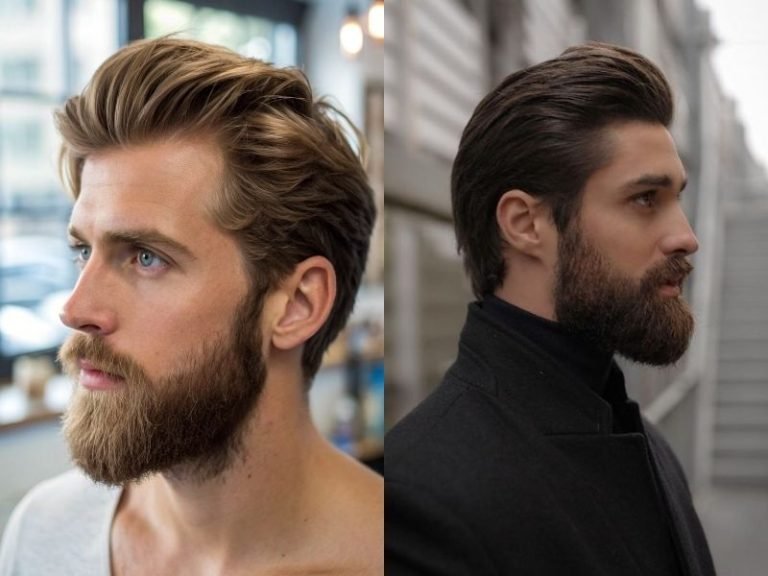
Bun Hairstyles for Men: Fresh, Wearable Looks for Every Hair Length
Bun Hairstyles are a simple way for men to keep longer hair neat while still looking stylish. They work for busy days, workouts, and even dressier moments when you want a clean look.
The best part is you can make a bun fit your hair type and your vibe. You can go sleek and sharp, or loose and relaxed, depending on what feels like you.
In this guide, you’ll see different Bun Hairstyles for short, medium, and long hair, plus popular options like messy, low, and high buns. This makes it easier to pick a look that actually suits you.
Man Bun Hairstyle Ideas: Timeless Looks That Blend Confidence, Culture, and Modern Style
Photo Gallery of Bun Hairstyles
If you have been thinking about tying your hair up instead of always leaving it loose or heading to the barber every few weeks, the bun might just be the answer you did not know you needed. It is one of those rare hairstyles that works for almost every guy, no matter your job, your personality, or how much time you actually want to spend in front of a mirror in the morning.
Bun hairstyles for men have moved past the point of being a trend and turned into something closer to a staple. You see them on athletes, actors, office workers, artists, and regular guys just living their day to day life. The reason is simple. A bun is quick to put together, it keeps hair off your face and neck, and it still looks put together even on a lazy day.
This guide walks you through everything about bun hairstyles for men. We will talk about why they work so well, the different bun styles you can try, how to pick the right one based on your hair length, the tools and products that actually help, step by step tying instructions, and the small mistakes that quietly ruin an otherwise good bun. By the end you should know exactly which bun fits your hair and your lifestyle.
Why Bun Hairstyles for Men Have Become So Popular
There was a time when long hair on men was seen as something rebellious or unusual. That mindset has faded a lot over the years. Now long hair, mid length hair, and even shorter hair styled into a small bun are all considered normal and stylish choices.
A few reasons why men keep coming back to this look:
It saves time. Once you get the hang of tying a bun, it takes less than a minute. No blow drying, no product heavy routines, no daily trips to a stylist.
It works with almost any face shape. Because there are so many bun variations, from tight and neat to loose and messy, you can pick a version that flatters your features instead of fighting against them.
It grows with your hair. You do not need to wait until your hair reaches some magic length. Even hair that just barely covers your ears can be pulled into a small knot at the back.
It pairs well with facial hair and fades. A clean fade paired with a top knot, or a full beard with a low bun, gives you a strong, intentional look without much effort.
It is low maintenance day to day. Once tied, a bun stays put through workouts, long work days, and travel far better than hair left down.
None of this means a bun looks good by accident. Getting it right takes a little knowledge about your hair type, the right products, and a bit of practice. That is what the rest of this guide covers.
Things to Know Before You Start Tying a Bun
Before jumping into specific styles, it helps to understand a few basics so your bun looks intentional rather than like you just grabbed your hair and twisted it up in a hurry.
Hair Length Matters More Than You Think
Not every bun style works on every length. Some buns need at least three to four inches of hair to hold shape, while others can be created with hair as short as two inches using the right technique and a bit of gel or wax. Knowing your current length will save you a lot of frustration.
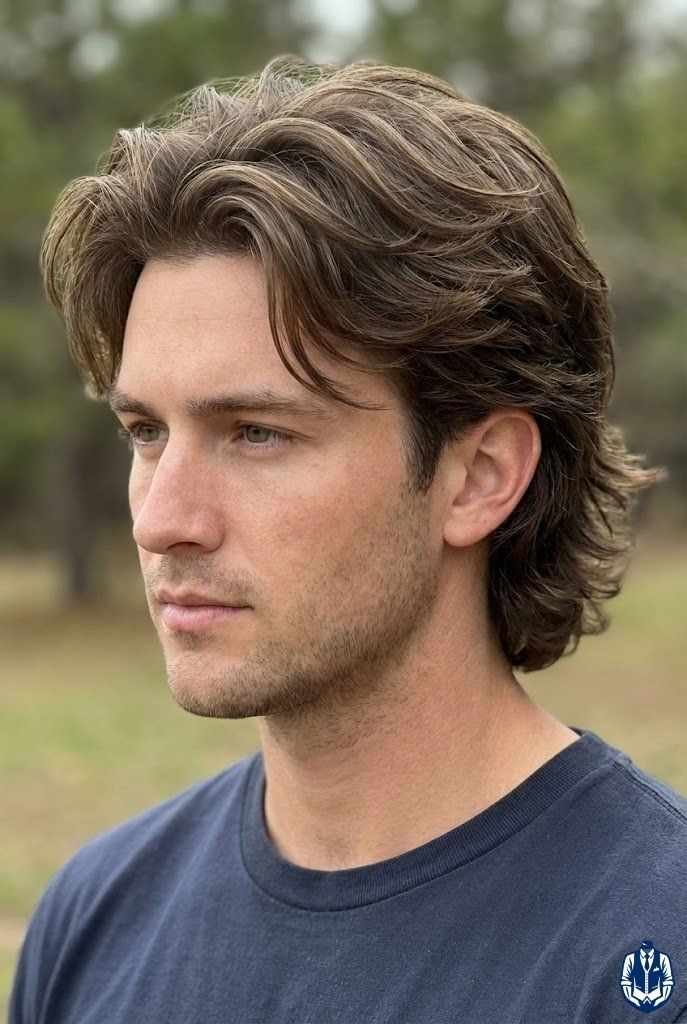
Hair Texture Changes the Result
Straight hair tends to slip out of ties more easily and usually needs a stronger hold product or a few extra wraps of the hair tie. Wavy and curly hair grips itself naturally, so buns often hold longer with less product. Thick hair may need a slightly larger tie or two ties layered together, while fine hair benefits from texturizing spray to add grip.
Tools You Actually Need
You do not need a huge kit for this. A small list covers almost every bun style:
- A good quality hair tie made for thicker hair, not a thin elastic that snaps easily
- A wide tooth comb or brush
- A light hold pomade, wax, or clay for texture and control
- A small mirror you can angle to see the back of your head
- Bobby pins for holding flyaways or securing braided sections
That is really all it takes. Fancy tools are not required for a good looking bun.
Types of Bun Hairstyles for Men
There is no single way to wear a bun. Depending on your hair length, your personal style, and how formal or relaxed you want to look, there are several variations worth trying.
The Top Knot
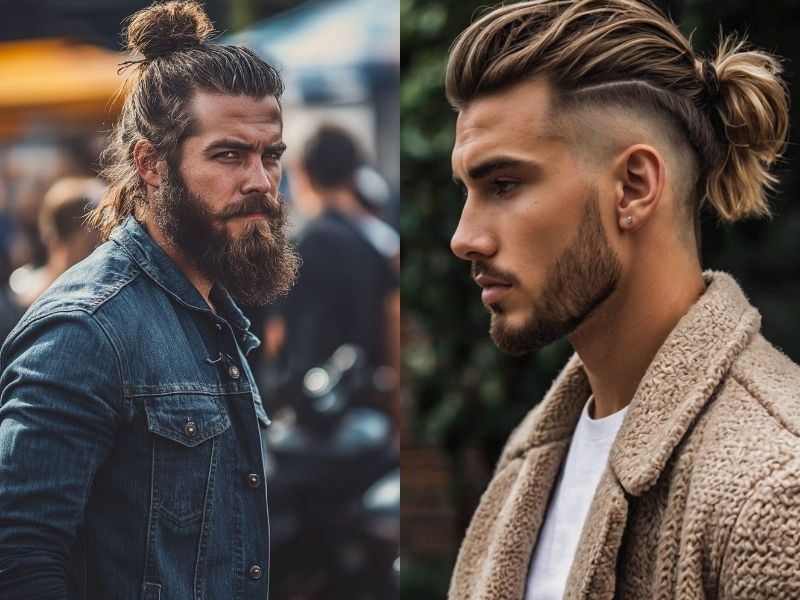
The top knot sits right at the crown of the head and is probably the most recognized bun style for men. Hair is gathered at the top, twisted, and secured so it sits upright rather than hanging down. This version pairs beautifully with a shaved or faded sides look, since it creates a sharp contrast between the short sides and the height at the top.
Top knots read as polished and a bit edgy at the same time, making them suitable for both casual outings and dressier occasions when paired with the right outfit.
The Classic Man Bun
The man bun usually sits a little lower than the top knot, closer to the back of the head at roughly the same height as your ears or slightly above. It has a relaxed, natural feel and does not require your hair to be pulled unusually tight.
This is a great everyday option for guys who want something simple that does not draw too much attention but still keeps hair under control.
The Half Bun
For men who like the idea of a bun but are not ready to pull all their hair back, the half bun is a great middle ground. Only the top section of hair gets gathered and tied, while the rest is left down. It gives you the neat, structured look at the crown while keeping length and movement in the lower half of your hair.
This style is particularly good for guys growing their hair out, since it manages the awkward in between stage nicely.
The Low Bun
The low bun sits at the nape of the neck and gives off a calmer, more grown up energy compared to the top knot. It suits guys who work in more traditional environments and still want the practicality of a bun without looking too casual.
Because it sits lower, this style tends to hold up well through long days since gravity is working with the bun rather than against it.
The Braided Bun
Adding a braid before tying the bun brings in texture and a bit of extra personality. You can braid the entire length of hair before winding it into a bun, or just braid a small section at the front or sides and let the rest gather naturally. Braided buns tend to hold longer since the braid itself locks hair in place before the tie ever goes in.
This style works especially well for thick or long hair, since the braid keeps volume from getting messy.
The Messy Bun
Not every bun needs to look perfectly smooth. The messy bun embraces loose strands, a slightly uneven shape, and a relaxed finish. It is one of the easiest styles to pull off quickly and looks completely natural, almost like you did not try at all, even though a little bit of technique goes into keeping it from looking sloppy rather than styled.
Bun with a Fade
Pairing a bun with a fade on the sides and back creates one of the most striking combinations in men’s hairstyling right now. The short, tapered sides give a clean base, while the length on top gets pulled into a bun for a contrast that looks sharp from every angle. This combination photographs well and works for guys who want their hair to feel current and deliberate.
Bun with a Beard
If you already have a full or medium length beard, adding a bun on top balances out the fullness on your face with structure on your head. This pairing has become a signature look for a lot of men, giving off a rugged yet groomed appearance without needing much daily upkeep beyond basic beard care and a quick bun tie.
Bun Hairstyles by Hair Length
Picking the right bun really comes down to how much hair you are working with. Here is a breakdown by length so you know exactly what is realistic for where you are right now.
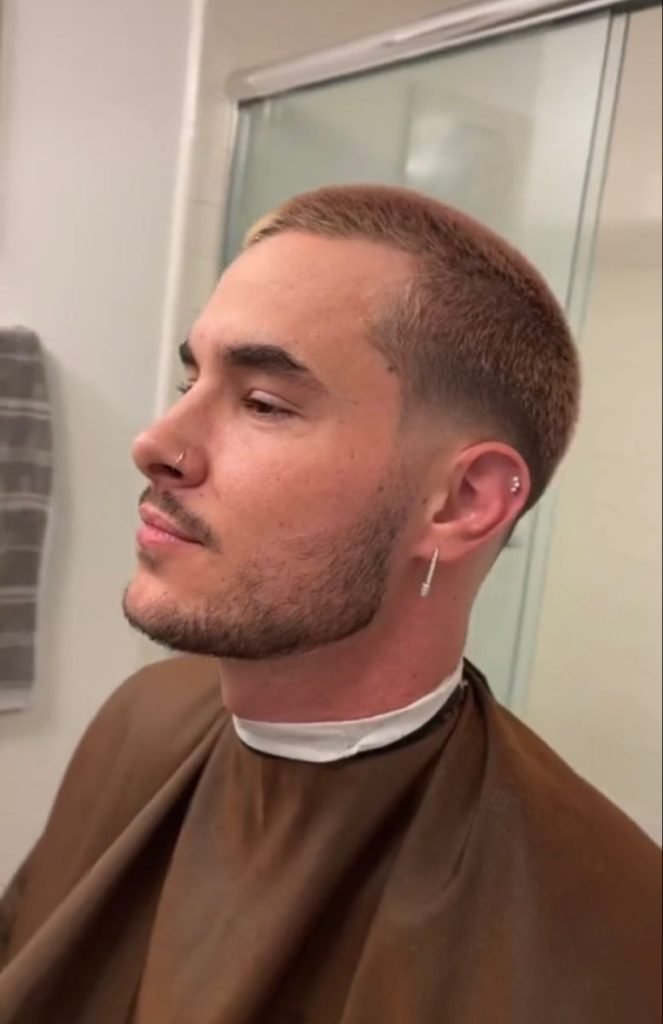
Short Hair Buns (Roughly 2 to 4 Inches)
Short hair can absolutely be styled into a small bun, though it takes a bit more patience and product. A texturizing spray or light wax gives strands something to grip onto. Focus on a tiny top knot right at the crown rather than trying to gather too much hair. Even a small, tight knot the size of a walnut looks intentional and modern rather than forced.
If your hair keeps slipping out, try using two small elastics instead of one, or twist the hair before wrapping the tie around it, since a twist holds better than a straight gather at shorter lengths.
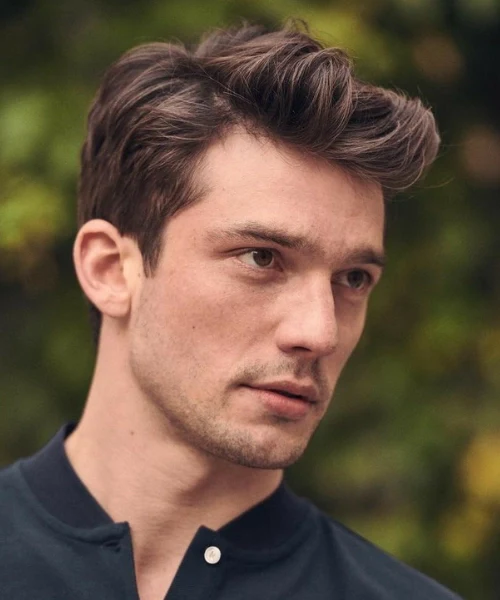
Medium Length Buns (Roughly 4 to 8 Inches)
This is where most bun styles become easy to achieve. Medium length hair holds a top knot, low bun, half bun, and messy bun without much trouble. You have enough length to wrap the tie two or three times, which gives a cleaner, more secure result.
At this length you can start experimenting with braided sections too, since there is enough hair to create a small braid along the front hairline before pulling everything back.
Long Hair Buns (8 Inches and Beyond)
Long hair gives you the most freedom. Full braided buns, thick top knots, and voluminous low buns all become easy options. The main challenge at this length is usually bulk, since a lot of hair gathered into one spot can create a heavy, uneven shape. Splitting hair into two sections, twisting each separately, and then combining them into the bun often gives a neater, rounder result than gathering everything at once.
Long haired men also have the option of double buns, sometimes called space buns, for a more playful, casual look on weekends or relaxed outings.
How to Tie a Bun Step by Step
Getting a bun right the first few times can feel a little clumsy, but once the motion becomes familiar it takes almost no thought at all. Here is a simple method that works for most bun styles.
Step one: Start with slightly damp or product treated hair. Completely dry, freshly washed hair can be slippery and harder to control. A small amount of pomade or texturizing spray rubbed through your palms and worked into the hair gives it grip.
Step two: Brush or comb through to remove tangles. A smooth base makes the next steps far easier and gives a cleaner final shape.
Step three: Gather your hair at the point you want the bun to sit. For a top knot, pull hair toward the crown. For a low bun, gather it toward the nape of your neck. Use your hands to smooth the sides as you gather so no random strands stick out.
Step four: Twist the gathered hair once or twice. This step is what gives the bun its rounded shape and helps it hold together once tied.
Step five: Wrap your hair tie around the twisted section two or three times, pulling snug but not painfully tight. If you want a slightly loosened, relaxed look, gently tug at the sides of the bun after tying to loosen it just a touch.
Step six: Tuck in any loose ends or flyaways using a bit more product on your fingertips, or secure them with a small bobby pin if needed.
Step seven: Check the shape from a few angles using a hand mirror to make sure it looks balanced from the back and sides, not just from the front.
With a little repetition, this entire process becomes something you can do in under a minute without even needing a mirror.
Best Products for Men’s Bun Hairstyles
The right products make a noticeable difference in how long your bun holds and how good it looks throughout the day.
Texturizing spray is great for fine or freshly washed hair that feels too slippery to grip. It adds a slight roughness that helps hair stay in place.
Matte clay or paste gives strong hold without shine, ideal for top knots and tighter styles where you want everything to stay locked in.
Light hold pomade works well for messy buns or half buns where you want some movement and a slightly undone finish rather than a stiff, sprayed look.
Leave in conditioner helps if your hair tends to get dry or frizzy at the ends, which is common with longer hair that gets tied up often.
Strong, fabric covered hair ties last far longer than thin rubber bands and are much gentler on your strands, reducing breakage over time.
You do not need every single product listed here. Pick one or two based on your hair type and build from there.
Common Mistakes Men Make With Buns
A few small errors can take a bun from looking sharp to looking careless. Here are the ones worth watching out for.
Pulling too tight. A bun pulled aggressively tight can cause headaches and, over time, put stress on your hairline, sometimes leading to thinning near the temples. Keep tension firm but comfortable.
Skipping product entirely. Dry, product free hair slips out of ties far more easily, leading to a bun that falls apart within an hour.
Using thin rubber bands. These snap easily and can snag hair, causing breakage. A proper fabric hair tie is worth the small investment.
Ignoring the sides. Even a great looking bun can look messy if stray hairs are left hanging awkwardly around the ears or neckline. A quick tuck or a dab of pomade fixes this in seconds.
Not adjusting the bun for the occasion. A loose, messy bun might be perfect for a weekend outing but look out of place in a formal setting where a neater, tighter version would suit better.
Neglecting regular trims. Split ends do not disappear just because hair is tied up. Regular trims every few months keep the ends healthy, which in turn keeps your bun looking smooth rather than frizzy.
Maintaining Your Bun Hairstyle Day to Day
A bun is low maintenance compared to many other hairstyles, but a few habits keep it looking its best over time.
Wash your hair with a gentle, sulfate free shampoo a few times a week rather than daily, since overwashing can strip natural oils and make hair harder to manage when tied up.
Switch up the exact spot where you tie your bun from day to day. Constantly pulling hair into the same tight spot can cause tension and, over months, contribute to thinning in that area. Alternating between a slightly higher or lower position gives your scalp a break.
Deep condition every couple of weeks if your hair tends to be dry, especially if it is on the longer side and gets tied up often, since the ends are usually the driest and most fragile part.
Keep a spare hair tie in your bag, car, or desk drawer. Ties break more often than you would expect, and having a backup means you are never stuck.
Styling Your Bun for Different Occasions
One of the best things about bun hairstyles for men is how adaptable they are across different settings.
For work or formal settings, a neat, tighter low bun or top knot paired with clean sides looks professional and put together. Avoid overly messy or loose versions in settings where a polished appearance matters.
For casual days or weekends, a messy bun or half bun gives a relaxed, easygoing vibe that pairs naturally with casual outfits.
For workouts or active days, a tight top knot keeps hair completely off your face and neck, which is exactly what you want when you are moving around a lot or sweating.
For nights out or events, a slightly loosened bun with a bit of shine product gives a put together but not overly formal look, striking a nice balance between casual and dressed up.
Adjusting your bun style slightly based on where you are headed shows attention to detail without requiring a completely different hairstyle each time.
Choosing a Bun Based on Your Face Shape
Hair length is not the only thing to think about. The shape of your face plays a real part in which bun style is going to look the most natural on you rather than fighting against your features.
Round faces usually benefit from height. A top knot placed a little higher on the crown adds length visually and keeps the face from looking too wide. Steer away from low buns sitting right at the same level as your cheeks, since they can make a round face look even rounder.
Square faces tend to look great with almost any bun style since strong jawlines pair nicely with structured looks. A tight top knot with a fade on the sides brings out the sharp angles in a good way.
Long or oval faces often look balanced with a slightly lower bun rather than one pulled all the way to the top, since extra height on an already longer face shape can exaggerate the length even more.
Heart shaped faces, which are wider at the forehead and narrower at the chin, usually do well with a half bun or messy bun, since some hair left down around the temples softens the width up top.
None of these rules are strict. They are simply starting points. Try a couple of variations in front of a mirror and trust your own eye once you see the difference side by side.
Growing Out Your Hair for a Bun
A lot of men reading this are somewhere in the process of growing their hair longer specifically to reach bun length. That in between stage can be frustrating, since hair is often too short to tie back comfortably but too long to leave alone without looking unkempt.
A few tips make that stretch easier to get through. Regular trims, even small ones every couple of months, keep the ends healthy and prevent the awkward, uneven look that comes from split or damaged hair. A good headband or bandana can hold hair back on days when it is still too short for a proper bun. Layering in a bit of leave in conditioner helps manage frizz that tends to show up more during the growing phase.
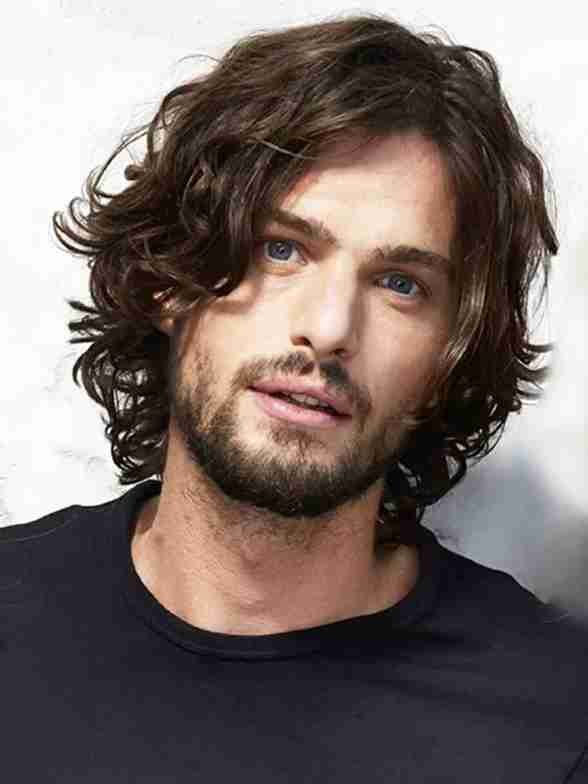
Patience really is the biggest factor here. Most men find that somewhere between four and six months of consistent growth and trims, a small workable bun becomes possible, and from there it only gets easier to style as length increases.
Frequently Asked Questions About Men’s Buns
Can thin hair hold a bun? Yes, though it usually needs a bit of texturizing spray or dry shampoo first, since thin strands can slip out of a bare hair tie fairly easily.
Does tying a bun cause hair loss? A bun tied too tightly on a regular basis can put strain on hair follicles near the hairline over long periods, sometimes called traction related thinning. Keeping the tension gentle and changing the bun position from day to day reduces this risk significantly.
How often should hair ties be replaced? Fabric hair ties naturally lose their elasticity after regular use. Replacing them every couple of months keeps hold strong and prevents snapping mid day.
Is a bun appropriate for work? In most modern workplaces, a neat, well kept bun looks entirely professional. A tighter, cleaner version tends to read more formal than a loose, messy one.
What is the fastest way to learn to tie a bun without a mirror? Practice near a mirror at first to get familiar with the hand movements, then try it blind a few times while still near the mirror so you can check your work. After a week or two of practice, most men can do it from memory without needing to look at all.
Final Thoughts
Bun hairstyles for men are not just a passing trend. They are practical, adaptable, and genuinely suit a huge range of hair lengths, face shapes, and lifestyles. From a small top knot on short hair to a full braided bun on longer locks, there is a version of this style for almost everyone.
Start simple. Pick a style that matches your current hair length, grab a good quality hair tie, and give it a few tries. Like most hairstyles, the more you practice tying it, the faster and more natural it becomes. Before long, your bun will be something you can put together in under a minute, looking sharp for a meeting, a run, or just a regular day out.