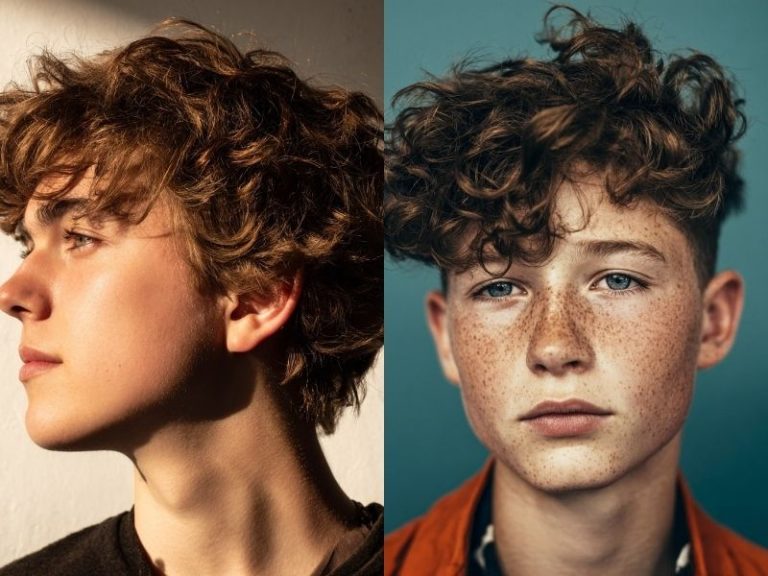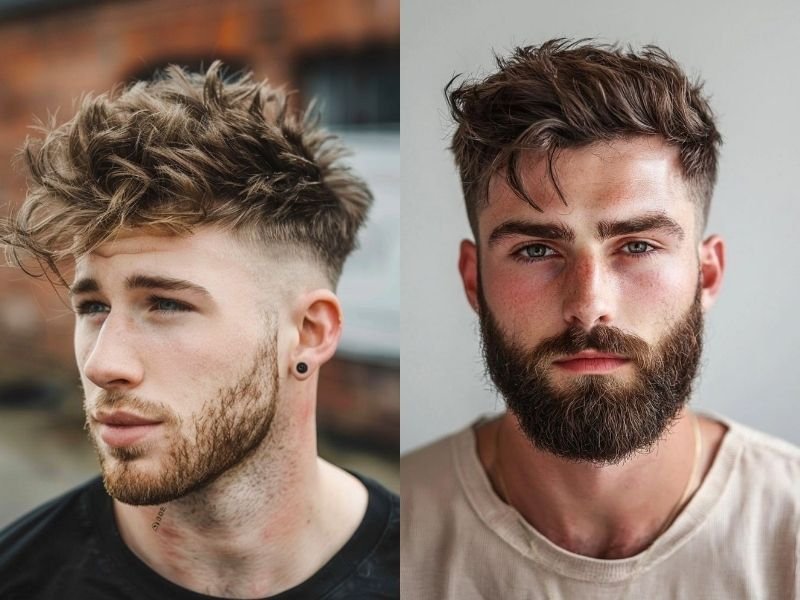
Textured Crop Men Hairstyles That Look Modern and Easy
Textured crop men hairstyles are one of the most popular haircut choices for guys who want a clean and stylish look without too much effort. This haircut works well for different hair types and face shapes, making it a smart option for everyday style.
The best thing about textured crop men styles is their natural and relaxed appearance. They can look sharp for formal events or casual for daily wear. With short sides and textured hair on top, this haircut gives a fresh and modern vibe that many men prefer today.
French Crop Haircut Styles For Him: Clean, Modern Looks That Suit Every Guy
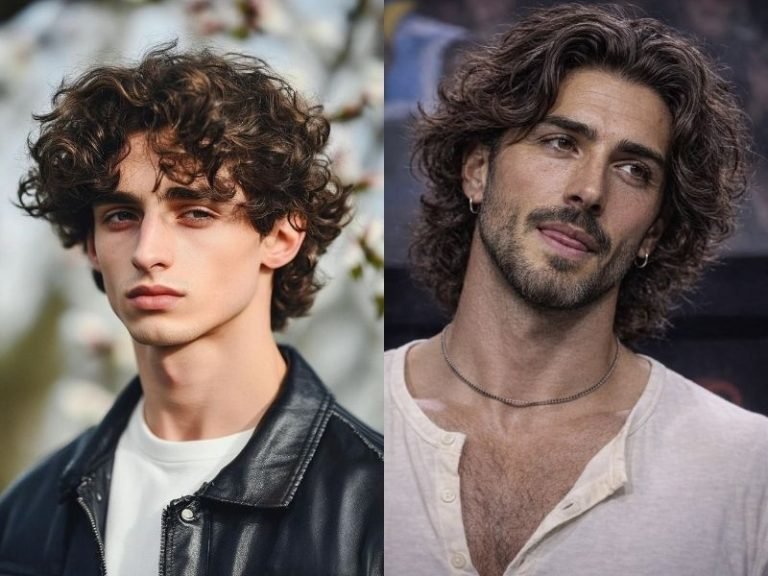
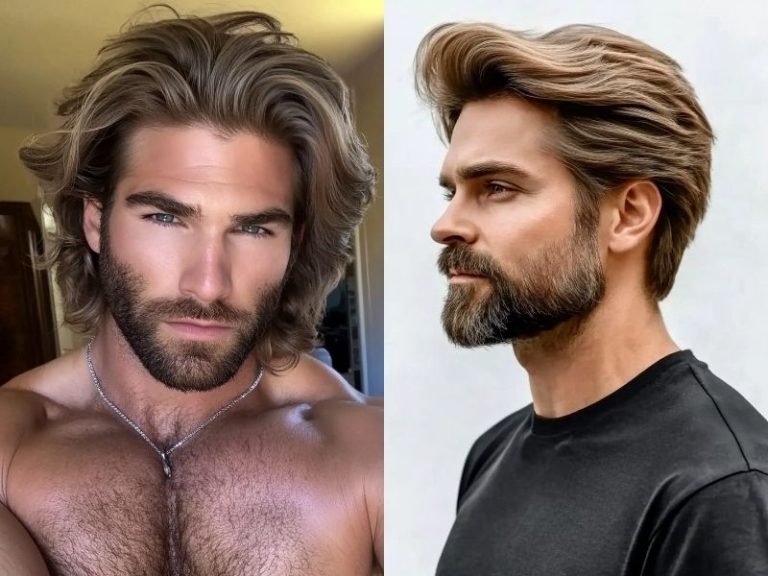
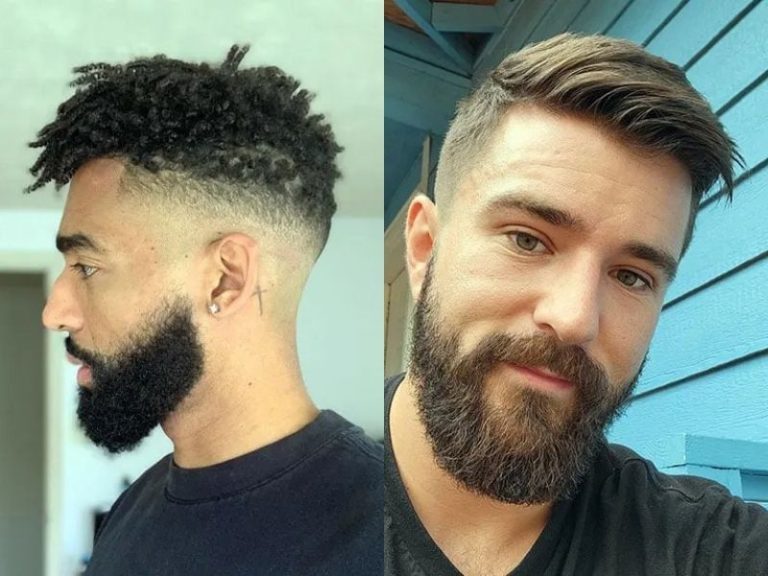
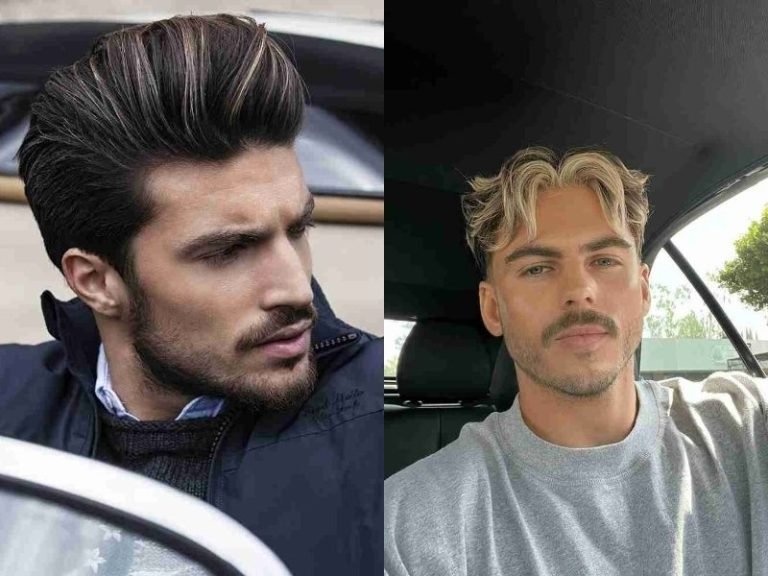
Photo Gallery of Textured Crop Men
There is a reason the textured crop keeps showing up in barbershop request books and in the hair of guys who always seem to look put together without trying too hard. It is short, it has movement, it works with almost any hair type, and it does not need thirty minutes of styling to look good. If you have been scrolling through haircut photos trying to find something fresh but still practical for everyday life, this cut is probably exactly what you have been picturing.
In this post we are going to cover everything about the textured crop from top to bottom. We will look at what actually makes this cut different from other short hairstyles, who it suits, how to talk to your barber about it, how to style it yourself at home, the best products to use, how often you need trims, common mistakes guys make with it, and some variations worth knowing about. By the time you finish reading you should feel ready to walk into a barbershop and ask for exactly the look you want.
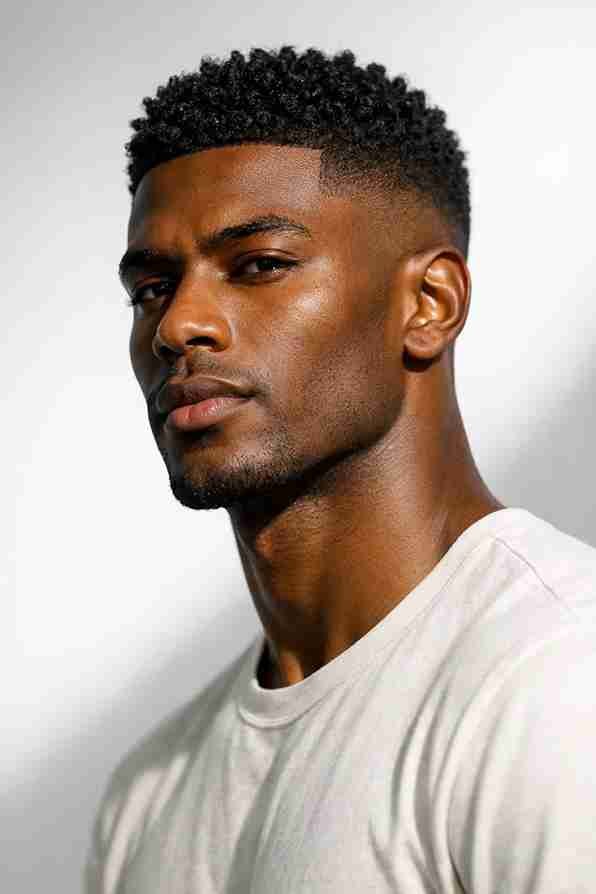
What Is A Textured Crop
A textured crop is a short haircut where the top section is cut choppy and layered rather than left long and flat, giving it natural volume and movement. The sides and back are usually cut much shorter, either tapered or faded, which creates contrast against the fuller, textured top.
The word texture here refers to the technique barbers use to remove weight from the hair using scissors or texturizing shears. Instead of one uniform length on top, the hair is cut at slightly different lengths throughout, which allows it to sit up and move naturally instead of falling flat against the scalp. This is what gives the cut its slightly messy, effortless look, even though it actually takes real skill to create.
People sometimes mix this up with a French crop or a Caesar cut, and while they share some similarities, the textured crop stands apart because of how much movement and volume sits on top. A French crop tends to have a straighter, more blunt fringe, while a textured crop often skips the sharp fringe line completely in favor of a looser, spikier finish on top.
Where This Style Came From
Short textured hairstyles have roots going back decades, but the modern version we see today really took off alongside the rise of matte styling products in the last fifteen years or so. Once clay and paste based products became widely available, barbers had more tools to create hair that stood up and held texture without looking greasy or overly shiny.
Celebrities and athletes helped push this style into the mainstream, but its staying power really comes down to practicality. Men wanted something that looked current and stylish but did not require a full styling routine every single morning. The textured crop delivered exactly that, which is why it has remained a barbershop staple rather than fading out as a passing trend.
Why So Many Men Choose This Cut
There are several reasons this haircut has stuck around as one of the most requested styles for men of pretty much any age.
It works with natural hair texture. Curly, wavy, and straight hair all take well to this cut because the layering technique plays with whatever natural movement your hair already has rather than fighting against it.
It looks intentional even when it is not perfectly styled. Because the cut relies on texture rather than a sleek finish, small imperfections in styling actually add to the overall look rather than ruining it.
It is fast to style. Once you understand the basic routine, getting this haircut ready in the morning takes a few minutes at most.
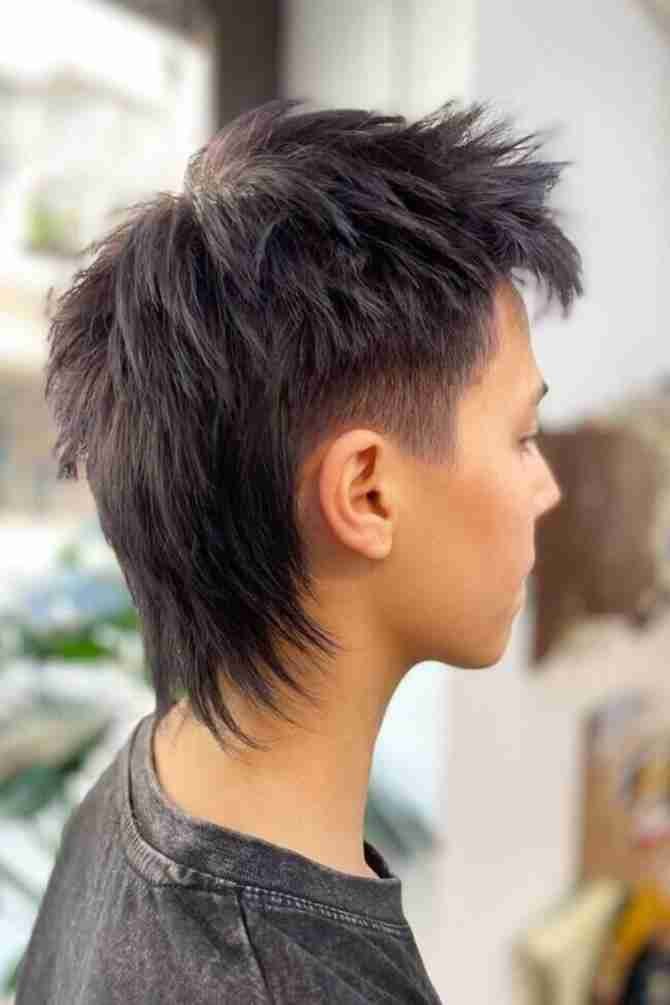
It suits a wide range of face shapes. Barbers can adjust the height and volume on top to balance almost any face shape, which makes this a safe recommendation for most guys walking into a shop for the first time.
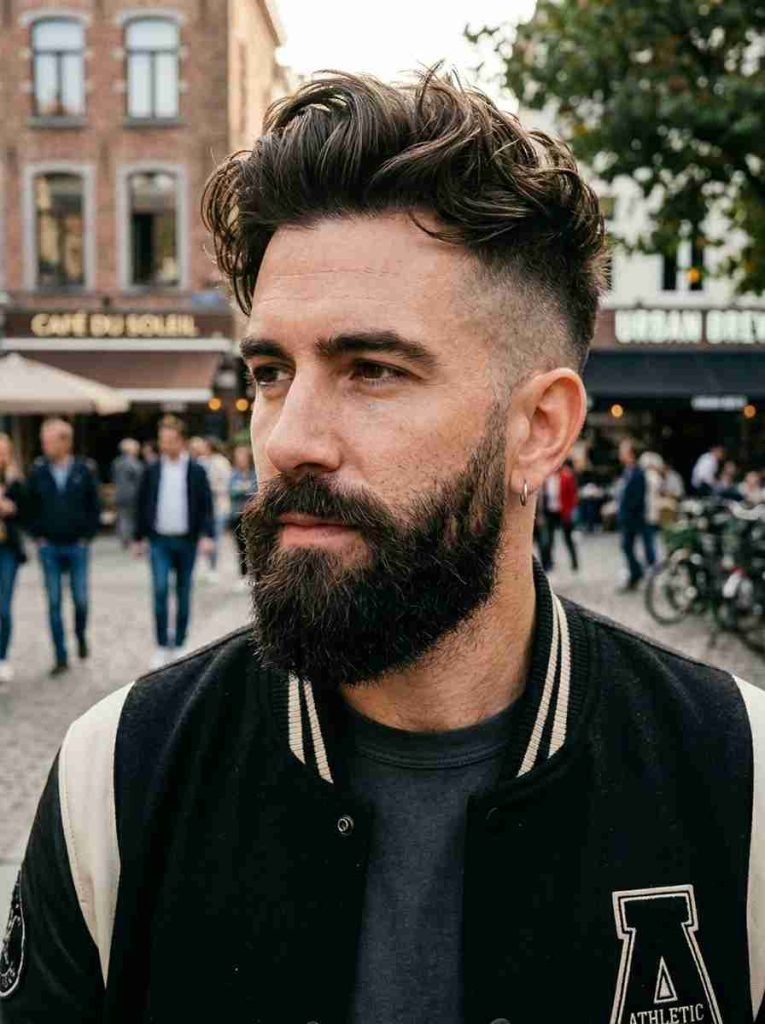
It pairs well with beards and stubble. The rougher, textured finish on top matches nicely with facial hair, giving the whole look a cohesive, put together feel without looking overly polished.
Who This Haircut Works Best For
Almost anyone can wear a textured crop, but certain hair types and lifestyles get the most out of it.
Men with thick or medium density hair tend to get the best natural lift and movement since there is enough hair for the layering technique to really show. If your hair is fine or thin, your barber can still create a great textured crop, though they will likely keep the layers shorter and use lighter products to avoid the hair falling flat throughout the day.
Guys who lead busy, active lives appreciate how forgiving this cut is. A quick run through with your fingers after a workout or a long day often brings the style right back without needing a mirror or extra product.
Younger men and students gravitate toward this style because it feels current without looking like it is trying too hard. It works just as well with casual outfits as it does with something slightly dressed up, which makes it a versatile everyday choice.
How To Ask Your Barber For A Textured Crop
Getting the exact look you want starts with clear communication in the chair. Here is what to mention during your appointment.
Start by telling your barber you want a textured crop with volume and movement on top, rather than a flat or slicked back finish. Let them know roughly how much length you want to keep, since this style can range from a very short, almost buzzed texture on top to a longer, spikier version depending on personal preference.
Talk about the sides too. A taper gives a softer transition, while a fade creates sharper contrast between the short sides and the fuller top. Bring a reference photo if you have one, since terms like taper and fade can mean slightly different things depending on the barber.
Mention your hair type and how much time you realistically want to spend styling each morning. A good barber will use this information to adjust the layering and length so the cut fits into your actual routine rather than requiring effort you are not interested in putting in.
Lastly, ask about the front section specifically. Some men like a slight fringe or piece that falls forward, while others prefer everything pushed up and back for a fuller, spikier look. Being specific here helps avoid any surprises once the cut is finished.
Step By Step Guide To Styling A Textured Crop At Home
Styling this cut yourself becomes second nature pretty quickly once you get the hang of the basic steps.
Start with damp, towel dried hair. Wash your hair and towel dry it until it is just damp rather than dripping wet. Product spreads more evenly and holds better when applied to damp hair rather than completely dry hair.
Choose the right amount of product. A small, pea sized amount of matte clay, paste, or texturizing powder is usually enough for most hair lengths. Rub it between your palms until it warms up and becomes easier to work with.
Apply from the roots outward. Work the product through your hair starting close to the scalp and moving upward and outward toward the tips. This helps lift the roots slightly and gives the textured, piecey look this cut is known for.
Use your fingers to shape rather than a comb. A comb tends to smooth hair down too much for this style. Using your fingers allows you to create separation and volume without flattening the natural movement you are trying to achieve.
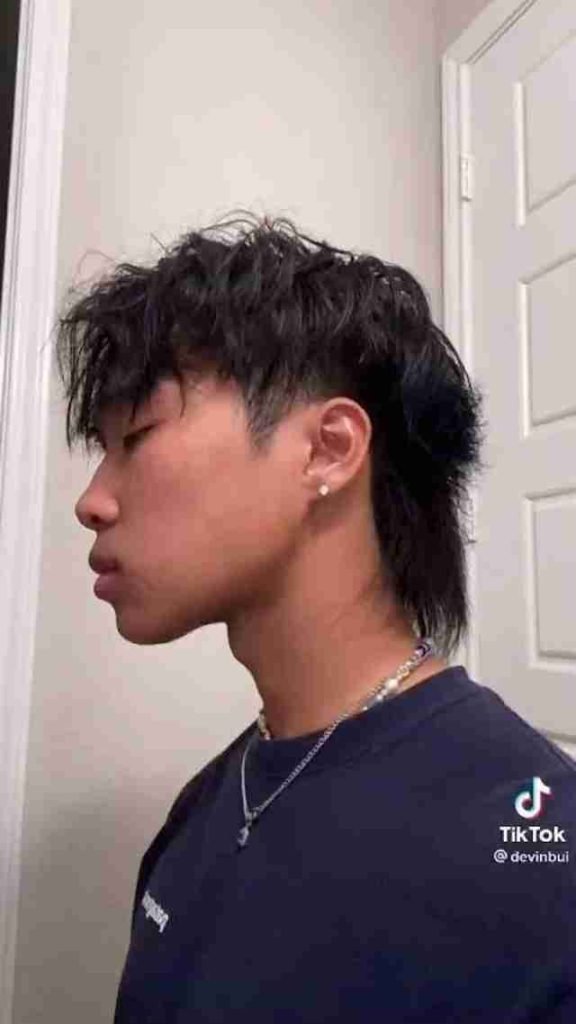
Add height where you want it. If you like a fuller look on top, push the hair up slightly as you style rather than pressing it down. For a more relaxed finish, simply tousle the hair with your fingers without pushing it in any particular direction.
Finish with a light texturizing spray if needed. This step is optional, but a light spray can add extra grip and hold, especially if you have finer hair that tends to lose its shape throughout the day.
Most men get through this entire routine in about five minutes once they know their hair and understand how much product actually works best for them.
Best Products For A Textured Crop
The right product can make a big difference in how long your style lasts and how natural it looks throughout the day.
Matte clay is probably the most popular choice for this cut because it gives strong hold with a completely natural, non shiny finish. It works particularly well for men who want their hair to look thick and full of texture rather than slicked or wet looking.
Texturizing powder is a great option for men with fine or thin hair since it adds volume at the roots without adding much weight. A small amount sprinkled through damp or dry hair can make a noticeable difference in how full the style looks.
Paste offers a middle ground between clay and pomade, giving decent hold with a slightly more pliable, workable texture. This can be a good option if you like to adjust your style throughout the day.
Sea salt spray adds a beachy, tousled texture and works especially well for men with naturally wavy hair who want to build on what is already there without adding too much structure.
As with most short hairstyles, using too much product tends to backfire. Start small and add more only if needed, since it is much easier to add product than to remove excess once it is already worked through your hair.
How To Maintain The Cut Between Barber Visits
The textured crop relies on a clear contrast between the short sides and the fuller, textured top, so regular trims matter for keeping that balance sharp. Most men find they need a trim every three to five weeks depending on how fast their hair grows and how much contrast they prefer.
Between appointments, keep an eye on the top section in particular. As it grows, the texture can start to look a little heavier and less defined, which sometimes just needs a small trim rather than a full haircut to freshen things back up. Some barbershops offer quick fringe or top trims between full appointments, which can be a good way to stretch the time between complete cuts.
Washing your hair regularly also plays a role in how good this style looks day to day. Product buildup can weigh down the texture and make it harder to achieve that natural, lifted look, so a gentle shampoo every couple of days helps keep things looking fresh.
Common Mistakes To Avoid
A handful of small habits can take away from how sharp this haircut looks, so it helps to know what to watch out for.
Overloading the hair with product. Too much clay or paste weighs the hair down and removes the natural texture that makes this cut stand out in the first place.
Combing the hair flat. Using a comb to smooth this style down defeats the purpose of the layered cut. Fingers work much better for maintaining the piecey, textured finish.
Letting the sides grow out too long. The contrast between the short sides and textured top is a key part of the look, so letting the sides grow out too much makes the whole style lose its shape.
Skipping regular trims. Since this cut depends on layering, waiting too long between appointments can lead to a messy, undefined look that is harder to style properly.
Ignoring hair type during styling. A routine that works great for thick, wavy hair might not translate well to fine, straight hair without some adjustment. Pay attention to how your specific hair responds and adjust your product and technique accordingly.
Textured Crop Variations Worth Trying
Part of what makes this haircut so popular is how many ways it can be personalized to fit individual style and hair type.
Textured crop with a skin fade creates maximum contrast between the sides and top, giving a bold, modern finish that works particularly well for guys who like a sharp, edgy look.
Textured crop with a low taper offers a softer, more understated transition that suits professional settings and more conservative personal styles.
Curly textured crop keeps natural curl pattern intact on top while still trimming the sides short, allowing curly haired men to enjoy this style without needing to straighten or heavily manipulate their natural texture.
Textured crop with a fringe adds a small forward piece at the front, blending the messy top texture with a bit of structure near the forehead.
Spiky textured crop pushes more volume upward for a fuller, more dramatic finish, often achieved with a bit of extra product and a blow dryer to help set the height.
Discussing these options with your barber ahead of time can help you land on a version that feels true to your personal style rather than just copying a photo that might not translate perfectly to your own hair.
Face Shapes And The Textured Crop
Because this cut can be adjusted so easily in terms of height, length, and fullness, it flatters a wide range of face shapes when done correctly.
Men with round faces often benefit from added height on top, which helps create the illusion of a longer, more balanced face shape.
Square faced men usually look great with a textured crop since the natural movement on top softens strong jawlines nicely without hiding them completely.
Oval faces are considered the most versatile and can pull off almost any version of this cut, from very short and tight to longer and spikier.
Men with longer face shapes might want to avoid too much height on top, since added volume upward can make the face appear even more elongated. A slightly flatter, wider textured finish tends to work better in this case.
A skilled barber will naturally factor in your face shape during the cut, but knowing this ahead of time can help guide a more informed conversation before you sit in the chair.
How Much Does A Textured Crop Cost
Pricing for this cut depends heavily on your location and the type of barbershop or salon you visit. A basic neighborhood barbershop might charge somewhere between fifteen and thirty five dollars for a standard cut, while a more upscale salon known for detailed texture work could charge fifty dollars or higher. Larger cities and shops with a strong reputation for modern men’s cuts tend to sit at the higher end of that range.
Price alone does not always reflect skill level. Plenty of smaller, more affordable barbershops turn out excellent textured crops because the barber has years of hands on practice with exactly this kind of layering and detail work. Before booking with someone new, it can help to look through their previous work, particularly cuts with similar length and texture to what you are hoping for.
Tipping is generally expected as part of the overall cost, with fifteen to twenty percent being fairly standard when you are happy with the result. Sticking with the same barber over multiple visits often leads to a more consistent cut each time, since they become familiar with your hair and your preferences.
Tools A Barber Uses To Create This Look
Knowing the tools involved can help you appreciate the skill behind this cut and also spot a barber who really knows what they are doing.
Clippers with guards create the short, tapered or faded sides, usually starting with a longer guard and gradually blending down to a shorter one closer to the hairline for a smooth transition.
Texturizing shears are essential for this particular style. These specialized scissors remove small sections of hair at varying lengths across the top, which is exactly what creates the choppy, natural movement this cut is known for.
Regular scissors and a comb are used to establish the overall shape and length before the texturizing work begins. This step sets the foundation that the rest of the cut builds on.
Blow dryer and round brush often come into play near the end of the appointment. Barbers use these tools to lift the roots and show you exactly how the finished style will look once properly styled, which also gives you a good reference point for styling it yourself at home later.
Watching an experienced barber move through these steps is part of what makes getting this cut done professionally worthwhile, since the layering technique genuinely takes practice to get right.
Growing Out A Textured Crop Without It Looking Messy
At some point you might want to grow your hair a bit longer, or maybe you are just stretching the time between appointments longer than usual. Fortunately, this cut tends to grow out more gracefully than a lot of other short hairstyles because the layered top already blends fairly well as length increases.
As the sides grow out, ask your barber to blend them rather than shaving them all the way down again, which keeps the transition looking intentional. On top, the added length usually just means more volume and movement, which many men actually enjoy as a natural next step. A light trim focused only on the top section every few weeks, without touching the sides, can help extend the life of the cut significantly while you decide on your next move.
Some men use this growing out phase as a stepping stone toward a longer, fuller crop or even a slicked back style once there is enough length to work with. Starting from a well built textured crop makes that transition far smoother than growing out from scratch.
Frequently Asked Questions
How long does my hair need to be to get a textured crop? Most barbers need at least an inch and a half to two inches of length on top to create noticeable texture and movement, so if your hair is currently very short, you may need a bit of growing out time first.
Does this style work well with curly hair? Yes, curly hair actually tends to look great with this cut since the natural curl pattern adds even more texture and volume without needing much extra styling effort.
How often should I wash my hair with this style? Every two to three days works well for most hair types, though you can adjust based on your scalp and how much product you typically use.
Can I style it without any product at all? You can get a simple, natural look without product, particularly right after a fresh haircut, but most men find that a small amount of clay or paste helps the texture hold up better throughout a full day.
Is a textured crop a good option if I have never had a short haircut before? It is a great starting point since the layering technique tends to be forgiving and works well across a wide range of hair types, making it a low risk way to try out a shorter style for the first time.
Final Thoughts
The textured crop has earned its spot as one of the most reliable, good looking haircuts for men because it manages to look current without demanding a complicated routine. Once you find the right balance of length, layering, and product that works for your specific hair, you end up with a style that genuinely fits into your everyday life rather than fighting against it.
If you have been considering a change, this cut is worth bringing up at your next barbershop visit. Bring a reference photo, be honest with your barber about your hair type and how much time you want to spend styling each morning, and give yourself a few weeks to get comfortable with the new routine. Most men who try a textured crop end up keeping it in rotation for years simply because it works as well in real life as it does in photos.